We do have such a system.
Simply put, we can utilize existing infrastructure to transport (and store) natural gas across the country, as we currently do. At the point of use (e.g., an ammonia production facility or truck stop) in the system, we can convert the natural gas into hydrogen using thousands of deployable, easily maintained and operated methane pyrolysis units — an underdiscussed and relatively-mature production method that produces only hydrogen and solid carbon (e.g., carbon black, graphite, or carbon nanotubes) with no carbon dioxide emissions.
Over the past 100 years, the United States has constructed around three million miles of natural gas transmission and distribution pipelines to supply a wide swath of homes, businesses, factories and power plants. We have also invested in massive underground storage capacity, capable of balancing energy needs across seasons. We can continue to improve (i.e., replace aging pipes, repair leaks) and leverage this massive infrastructure investment to eliminate emissions from hydrogen production and begin to offset emissions in a host of other sectors.
Importantly, the United States is endowed with a vast natural gas resource and a great deal of expertise in locating, accessing, and extracting it. A recent estimate put total proved natural gas reserves at 692 trillion cubic feet (Tcf). For reference, we consume around 32.5 Tcf annually. So, that’s more than 21 years’ worth. With a few exceptions over the past decade, this abundance of domestic natural gas has led to very low prices.
Yet, there’s a problem with current natural gas consumption; combusting it produces carbon dioxide, which is accumulating in our atmosphere, warming the planet, and creating dangerous climate change. Moreover, fugitive emissions from the production and distribution of natural gas are also a powerful, contributing source of greenhouse gas emissions. We must continue to mitigate fugitive emission, and we must combust less (unless we are capturing and sequestering or utilizing the carbon dioxide molecules).
Methane pyrolysis (also known as “turquoise” hydrogen) has existed for decades, but due to high energy inputs and other technical challenges it is not as mature as steam methane reforming (SMR). SMR, which also converts natural gas into hydrogen, is an emissions intensive process that is responsible for 95 percent of today’s U.S. hydrogen production. While pyrolysis requires less than one-third of the electricity consumed by electrolysis, it uses more natural gas than SMR per quantity of hydrogen produced. Additionally, scaling the technology to commercial levels has proved challenging. Generally, the International Energy Agency (IEA) grades existing methane pyrolysis technology designs from three to eight on its technological readiness level (TRL) scale – with a score of nine implying commercial readiness. A wide range of current analyses indicate that methane pyrolysis has a similar or slightly lower cost per unit of hydrogen produced than “blue” hydrogen (i.e., SMR with carbon capture), but it has nearly zero carbon dioxide emissions, does not need to sequester or transport captured carbon dioxide, and can be lower cost depending on the value of the solid carbon produced.
The solid carbon in its several forms produced in pyrolysis offers additional revenue potential (above the hydrogen value), which can further incentivize companies pursuing this production pathway. Carbon black, a fine black powder, is already used in tire manufacturing, printing, plastics, asphalt, and coatings. Graphite, a more structured form of carbon, is mined in many countries for battery anodes, among other things. If it were produced as part of pyrolysis, it would reduce pressure on graphite mining – an environmental win. Carbon nanotubes are perhaps the most valuable form of solid carbon. They are exceedingly lightweight, yet orders of magnitude stronger than steel. As a substitute, they would offset highly emissions intensive steel production and iron mining (to an extent). Furthermore, utilizing nanotubes in structures increases strength and reduces weight (e.g., aerospace vehicles, planes, cars and trucks), making them more energy efficient. Finally, carbon nanotubes conduct electricity, potentially helping to make electric vehicle batteries lighter and reducing demand for other mined critical minerals.
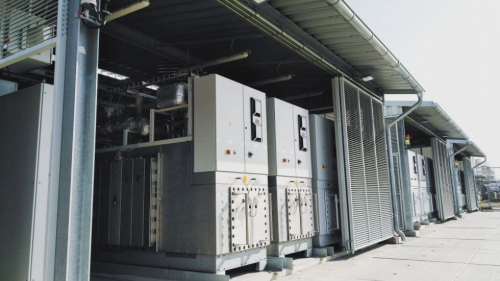
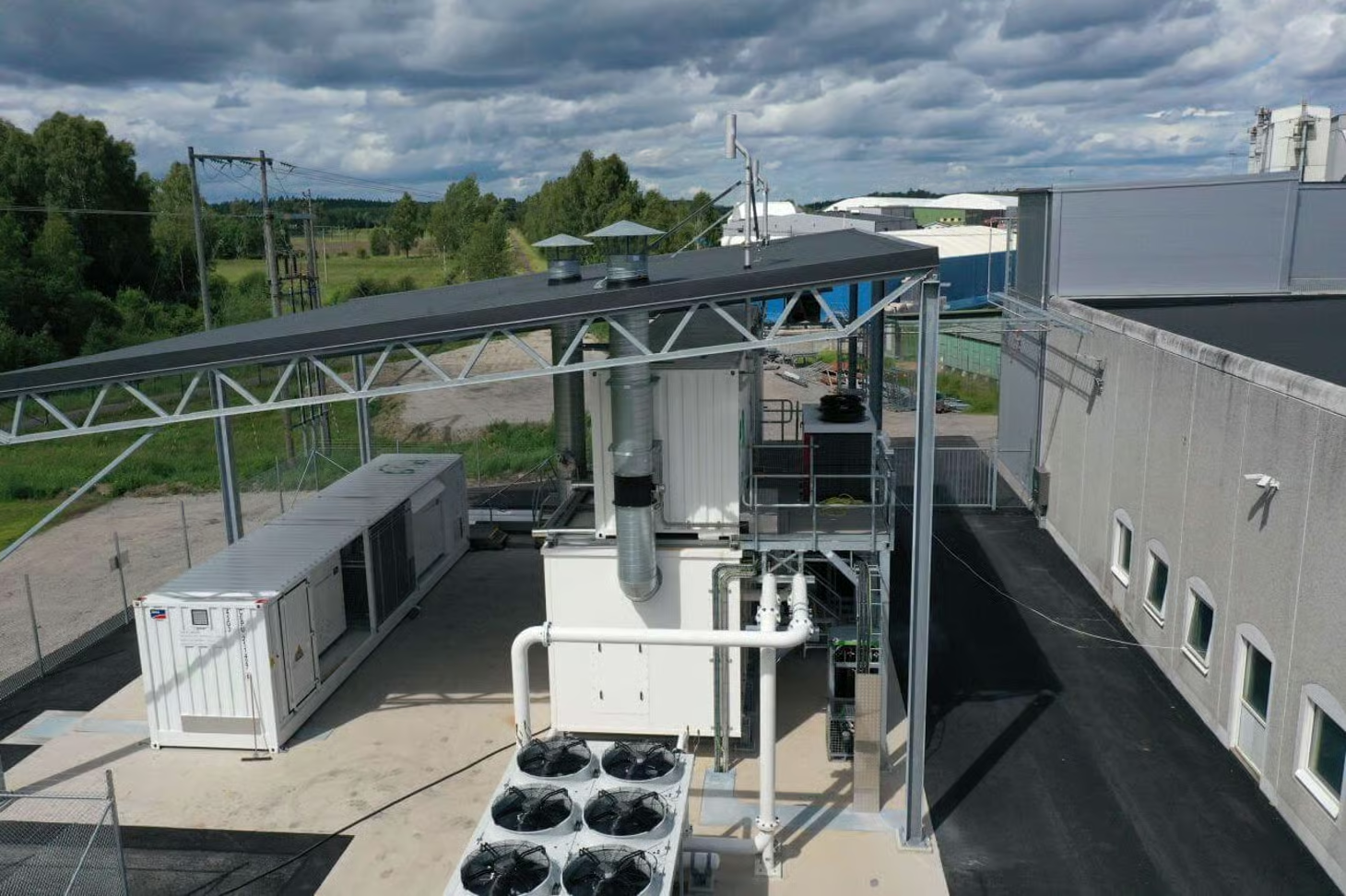
Companies are at various stages of development with pyrolysis. In 2021, Monolith, a Nebraska-based chemical and energy company, received a $1 billion loan from the U.S. Department of Energy to expand its proprietary technology using natural gas and clean electricity; it plans to use the capital to expand clean hydrogen and carbon black production. Its produced hydrogen is used to make clean ammonia and fertilizer, which is used on nearby farms. Additionally, Monolith has partnered with a major tire manufacturer, helping them reduce their emissions by producing electric vehicle tires with a source of low emission carbon black. A Washington-based company, Modern Hydrogen, has developed a modular, drop-in, “shipping-container” approach to scale hydrogen production volumes needed by end users. In Germany, the chemical company BASF has developed a proprietary process and constructed a pilot facility in Ludwigshafen; currently, it is researching how to scale its production and is exploring economic uses for the solid carbon it creates. Additionally, U.S. chemical company Huntsman is commercializing its exclusive pyrolysis technique that creates a more valuable solid carbon nanotube product in addition to hydrogen.
Molten Industries, C-Zero, Aurora hydrogen, and Transform Materials are at earlier stages of development. Startup Molten Industries is focusing on producing graphite (i.e., another form of solid carbon) for lithium-ion batteries and hydrogen for the chemical and steel industries. California-based C-Zero is initially focusing on Asian markets. In Canada, Aurora Hydrogen recently received government support for its scalable, modular microwave (i.e., electricity) pyrolysis technology, which produces hydrogen at the point-of-use, eliminating the need for hydrogen-specific transportation infrastructure. Similarly, Transform Materials produces hydrogen, acetylene and other valuable products using microwave energy and pyrolysis. Since hydrogen is an indirect greenhouse gas, producing it close to where it will be consumed can help minimize leaks and its impact on climate change.
What should we be using the hydrogen for? There is wide agreement here. First, we should be replacing the current dirty hydrogen production (i.e., SMR) with cleaner methods as quickly as possible. Next, we should be focusing on hard to abate sectors like industry (e.g., ammonia production), heavy-duty long-haul transportation (e.g., trucks), and creating cheaper, scalable pathways to low carbon drop in fuels (e.g., sustainable aviation fuel).
With a safe, efficient transportation and storage network already in place, we can start plugging in the additional elements of the methane pyrolysis production pathway almost right away. We don’t need to wait years or decades (and spend billions of additional dollars) to build out a 100 percent dedicated hydrogen transportation system in order to start realizing significant emission reductions. Our current infrastructure provides us with an extraordinary head start. The co-production of solid carbon (e.g., carbon black, graphite, and carbon nanotubes) provides an additional range of very compelling environmental and economic benefits.
Methane pyrolysis is one of many clean hydrogen production pathways that we should strongly pursue. With respect to the continued use of fossil fuels, gains made with pyrolysis (or carbon capture) can be cancelled out or made worse without concerted stewardship. The natural gas industry must do better at removing emissions from all segments of product development (i.e., exploration, production, gathering, transmission, storage, and distribution). Additionally, negative impacts on nearby communities must be considered and improved.
A group of innovative companies, leveraging existing infrastructure, and cheap, abundant natural gas, can reduce global emissions considerably in the next decade. Though some technical challenges remain, this pathway of least resistance should be supported and enabled to the fullest extent.