The report notes: “While the offshore wind industry is facing headwinds and potentially slowing deployment, there is an opportunity to upgrade the infrastructure which will enable long-term, efficient build-out of the regional transmission network.”
Connecticut’s withdrawal from a multi-state procurement with Rhode Island and Massachusetts last fall has weakened its offshore wind market development, leaving uncertainty about its future project pipeline. Currently, the state has secured power from Orsted’s 704MW Revolution Wind, which is under construction.
To strengthen its position, the report suggests setting maximum and minimum capacities for future solicitations, allowing flexibility in interconnection points, and expanding local content definitions to include regional strategies. It urges the state’s Department of Energy and Environmental Protection to actively participate in regional transmission planning and involve wind energy advocates in these efforts.
The report emphasizes: “Immediate and continuous as works undertaken in the short-term are expected to inform and contribute to a long-term effort and build-out in response to broader regional demands and pressures.”
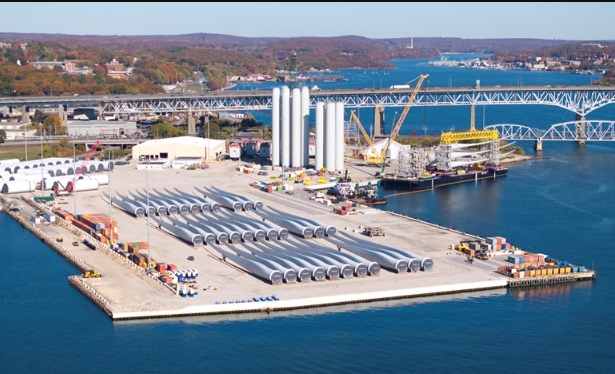
Connecticut also has established companies ready to support the offshore wind supply chain. The report highlights ThayerMahan for ocean monitoring, and Sea Services North America and Survival Systems USA for vessel support, noting their potential to assist developers during the operations and maintenance phase of offshore wind projects.
By addressing these opportunities, Connecticut can enhance its role in the growing offshore wind sector while supporting regional energy goals.