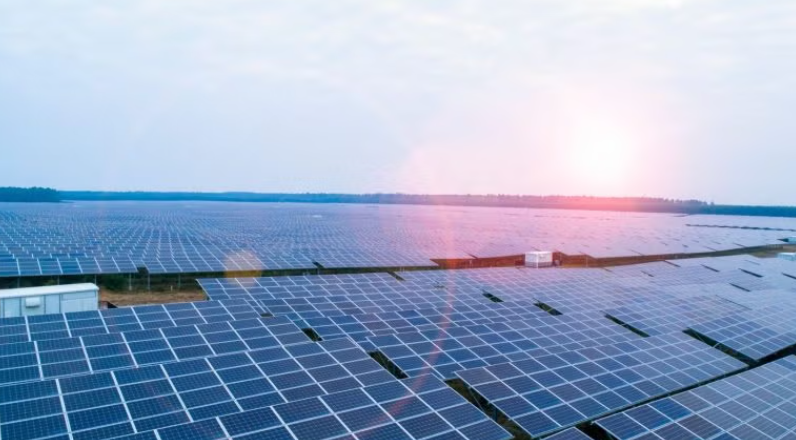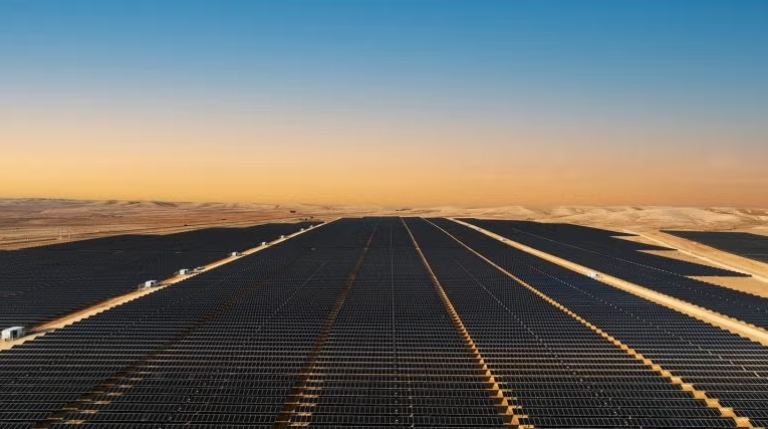
The project will cover more than 42,000 acres and is projected to produce 2.96 billion kWh of electricity each year.
Spanning over 42,000 acres, the Suji Sandland PV project is expected to generate 2.96 billion kWh of electricity annually. This output will save approximately 900,000 tonnes of standard coal each year and reduce carbon dioxide emissions by 2.68 million tonnes. The project is on track for completion within 2025.
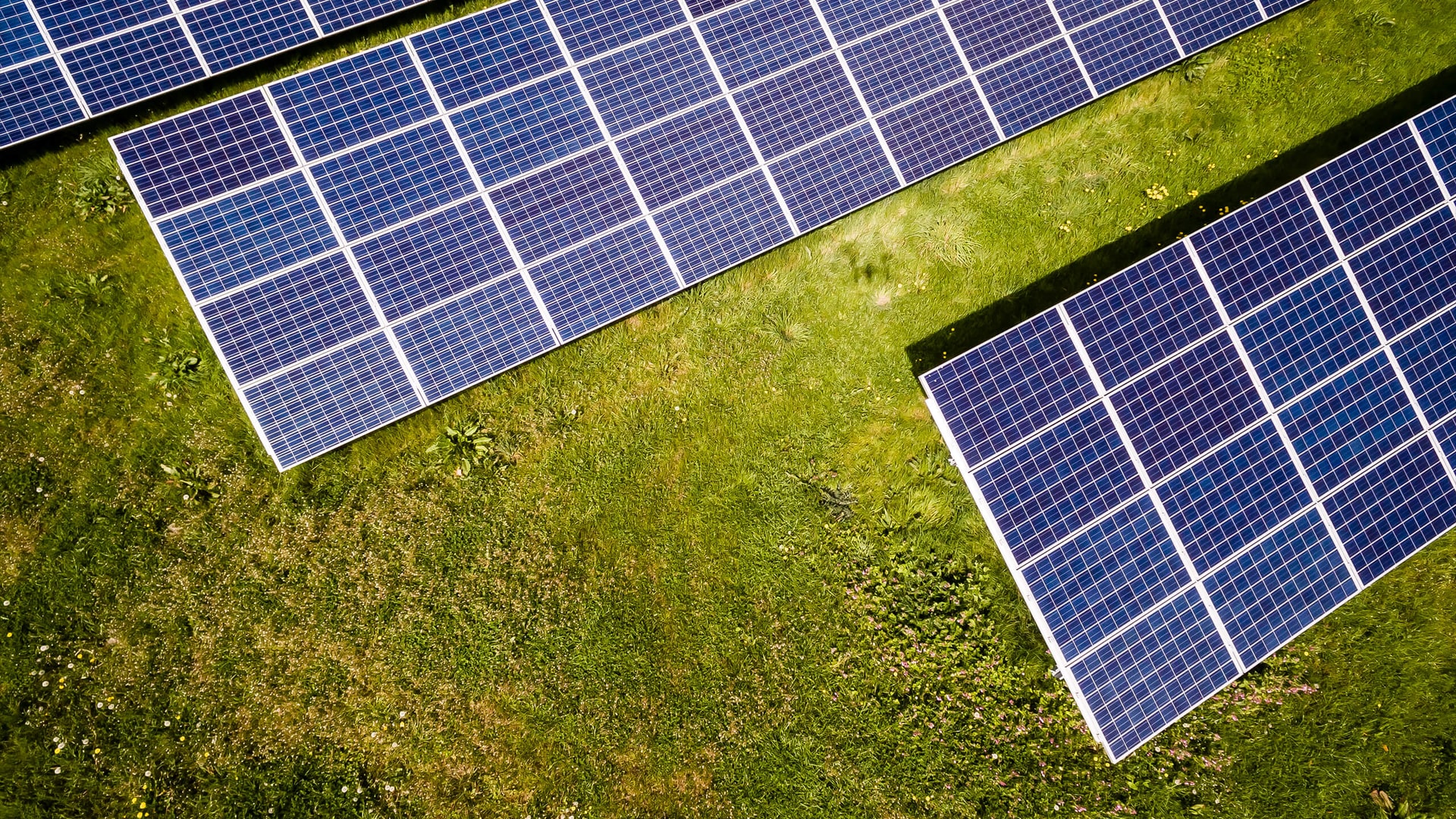
In addition to energy production, the project adopts an innovative “PV + ecological restoration” model. By planting vegetation beneath the modules, it creates a micro-ecosystem to combat desertification, transforming arid land into a sustainable energy hub.
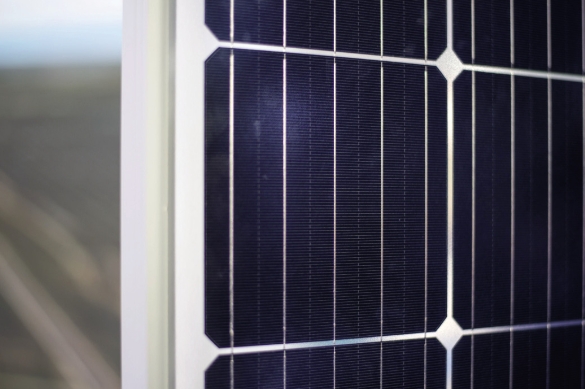
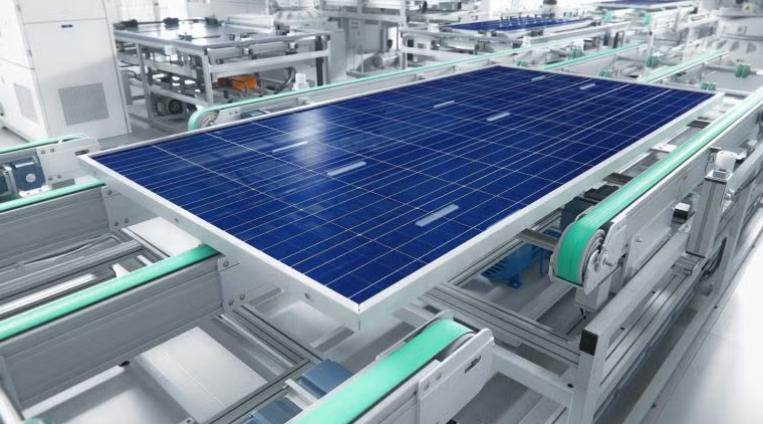
JA Solar’s DeepBlue 4.0 Pro modules are designed for reliability in extreme conditions, withstanding intense ultraviolet radiation, sandstorms, and temperature fluctuations common in desert environments. These modules have proven effective in similar projects, including those in the Kubuqi Desert, Ulan Buh Desert, and Horqin Sandy Land.
Aiqing Yang, JA Solar’s executive president, stated: “This project demonstrates how advanced PV technologies contribute to clean energy and ecological recovery in harsh desert environments. We are proud that our DeepBlue 4.0 Pro modules are helping turn vast stretches of sand into valuable green assets supporting environmental goals.”
The Suji Sandland initiative follows JA Solar’s recent delivery of 1GW of n-type PV modules for a pilot project within the 12GW Ulan Buh Desert Northeast New Energy Base, highlighting the company’s ongoing commitment to advancing clean energy solutions.