The projects have been granted FAST-41 status, a federal initiative designed to streamline approvals for vital infrastructure.
The White House stated: “Identifying these transparency projects under the Permitting Council’s statutory programme advances the President’s directive to take immediate action to facilitate domestic production of America’s vast mineral resources to create jobs, fuel prosperity, and significantly reduce our reliance on foreign nations.”
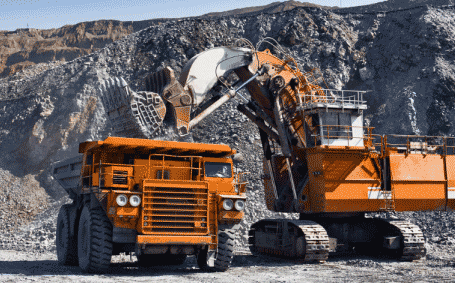
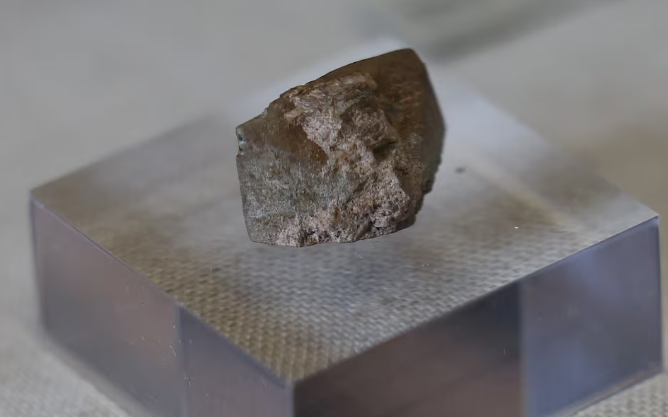
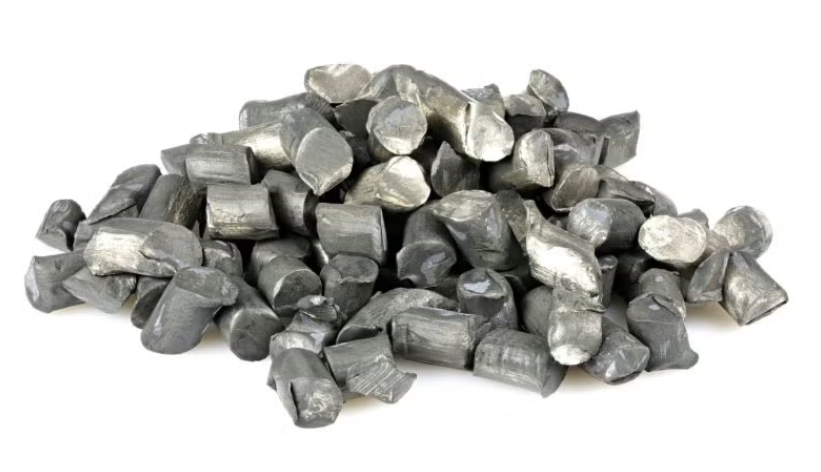
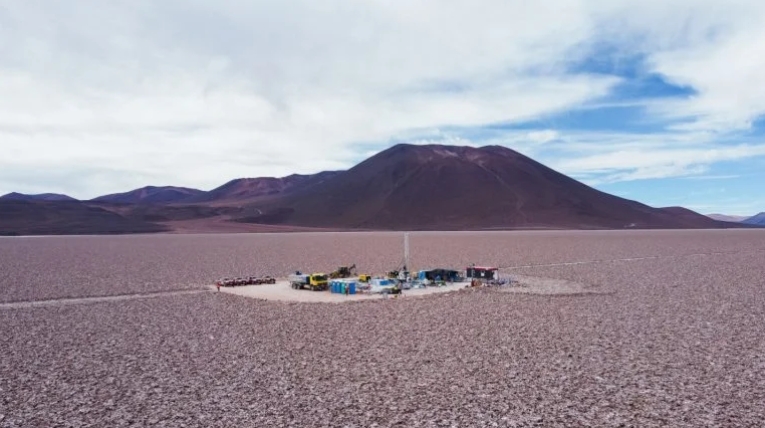
Among the projects are the Stibnite antimony and gold mine in Idaho, led by Perpetua Resources, and the Resolution copper project in Arizona, developed by Rio Tinto and BHP. Other initiatives include Warrior Met coal mines, McDermitt exploration, South West Arkansas, Caldwell Canyon, Libby exploration, Lisbon Valley copper, Silver Peak lithium, and Michigan potash projects.
Manisha Patel, acting executive director of the Permitting Council, commented: “This is the first use of the Permitting Council’s transparency authority, and we look forward to showcasing the many benefits the Federal Permitting Dashboard can bring to critical infrastructure projects as part of President Trump’s Executive Order on increasing American mineral production.”
The Federal Permitting Dashboard is designed to improve coordination among agencies and streamline decision-making, ensuring efficient reviews for these projects. The White House plans to include additional projects in the program on an ongoing basis.
The Resolution copper project, one of the world’s largest proposed copper mines, requires a land swap to proceed. The U.S. Forest Service intends to release an updated environmental report within 60 days to facilitate this process. Approved by Congress in 2014, the project has faced concerns from the San Carlos Apache community regarding its impact on Oak Flat, a site of cultural significance.
Wendsler Nosie, a leader of Apache Stronghold, expressed concerns, stating: “The US government is rushing to give away our spiritual home before the courts can even rule, just like it’s rushed to erase Native people for generations.” Despite these concerns, Rio Tinto views the Forest Service’s actions as progress and continues collaboration with BHP on the project.
In March 2024, the U.S. 9th Circuit Court of Appeals affirmed a ruling allowing the federal government to transfer land in Arizona for the Resolution copper project, marking a significant step forward.