“Tugboats are a cornerstone of the economy that enable cargo ships to operate at ports,” said Kofi Asante, Arc’s vice president of business development. “The short, but high power requirements of a tugboat make it a great fit for electrification which can drive efficiencies at the port.”
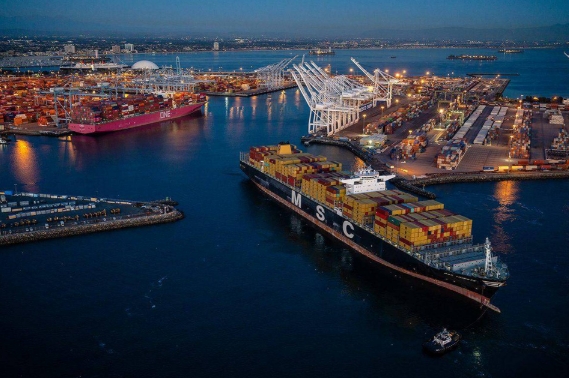
Traditional tugboats often rely on older, less efficient diesel engines that incur high operating costs and emit significant pollutants. The Port of Los Angeles has set an ambitious target of achieving zero emissions by 2030. Retrofitting this tugboat with electric technology represents a key step toward meeting that goal, reducing emissions while maintaining operational reliability.
Arc’s efforts align with broader industry trends supported by recent U.S. government incentives to revitalize domestic shipbuilding. The company is focused on advancing maritime technology to produce cleaner, more efficient vessels. By prioritizing electrification, Arc aims to contribute to sustainable practices in the marine sector and enhance the competitiveness of U.S.-built boats, which have historically been more costly than foreign alternatives.
In addition to the retrofit project, Arc is developing its first commercial vessel, a truckable tugboat designed for flexibility and efficiency. The company plans to expand its portfolio later this year, working on larger vessels to further modernize maritime operations. These efforts reflect Arc’s commitment to innovation, aiming to create vessels that meet modern environmental standards while supporting economic activity at ports.
The retrofit project at the Port of Los Angeles underscores Arc’s role in transforming the marine industry. By collaborating with Diversified Marine and leveraging electrification, the company is helping to create a more sustainable future for port operations, aligning with both local environmental objectives and national goals to advance maritime technology.