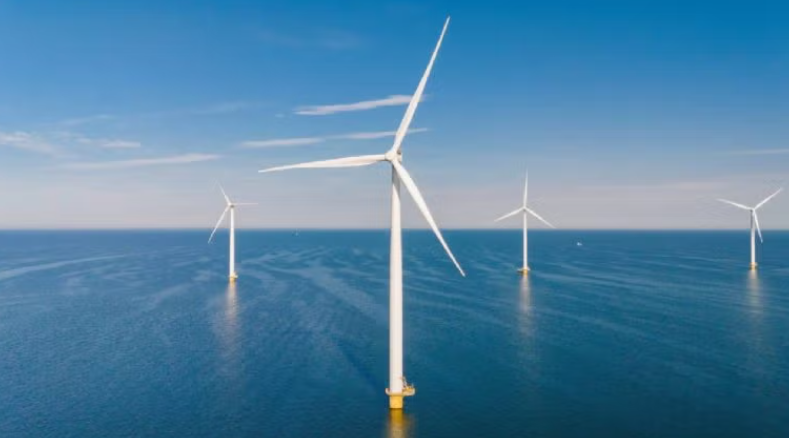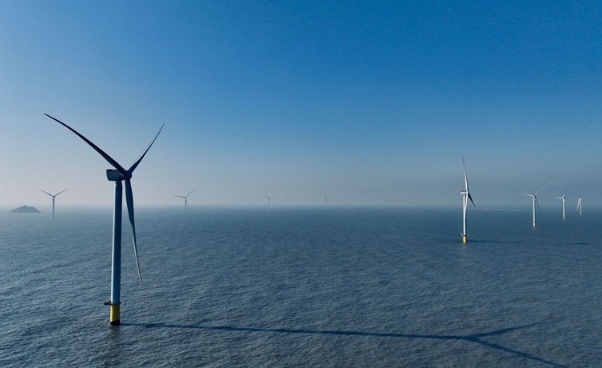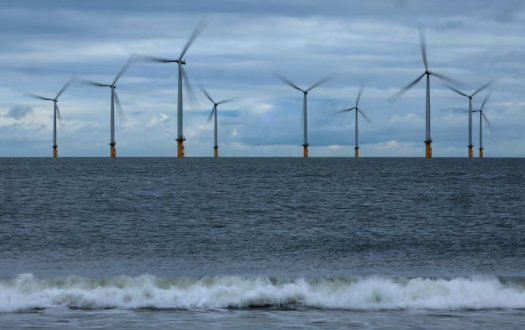
Waves break in front of the Teesside Wind Farm in Redcar, Britain, November 7, 2023.
The focus on energy security intensified globally following supply disruptions and price increases in 2022, prompting many countries to reassess their reliance on certain fuel sources. The European Commission is actively working to reduce dependency on Russian oil and gas, with a goal to eliminate these imports by 2027. A detailed plan for this transition is expected to be announced next month.
Britain aims to decarbonize its electricity sector by 2030, prioritizing renewable energy, particularly offshore wind, to shield itself from volatile fossil fuel markets. As the world’s second-largest offshore wind market after China, Britain faces challenges such as rising costs due to inflation and supply chain constraints. To address these, GB Energy, a government-supported initiative launched last year, will allocate funds to support manufacturers of offshore wind components, including floating platforms and cables. This investment is part of a broader 8.3 billion-pound commitment to GB Energy over the current parliamentary term, with grants available for individual companies by year-end.
Prime Minister Keir Starmer emphasized the initiative’s importance, stating: “Investing in our offshore wind supply chain strengthens our energy security and supports sustainable growth for the future.” The summit underscores Britain’s commitment to renewable energy and international collaboration to ensure a stable and sustainable energy landscape.