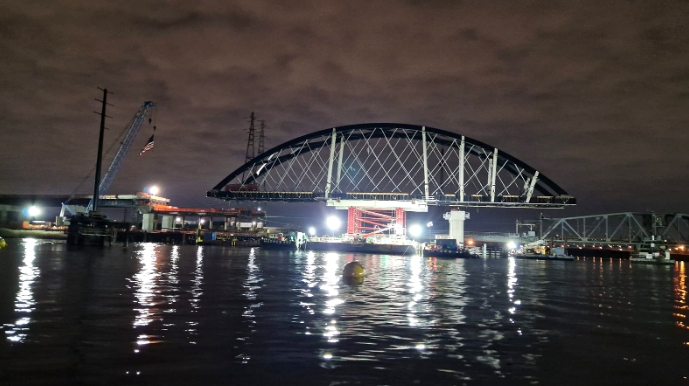
Mammoet’s image of the central span, raised on its Mega Jack
The original Portal Bridge, constructed in 1910 by the Pennsylvania Railroad, had become a significant bottleneck due to its deteriorating swing mechanism, which often failed and limited train speeds to 60 miles per hour. This rail line, one of the busiest in the Western Hemisphere, sees a train crossing every two minutes, serving up to 200,000 passengers daily.
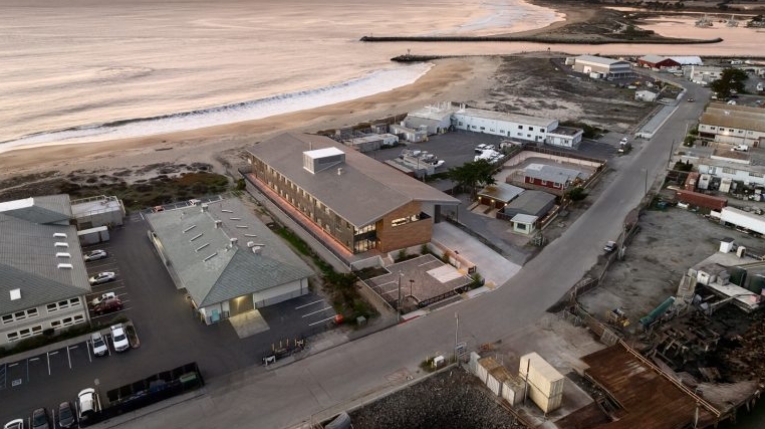
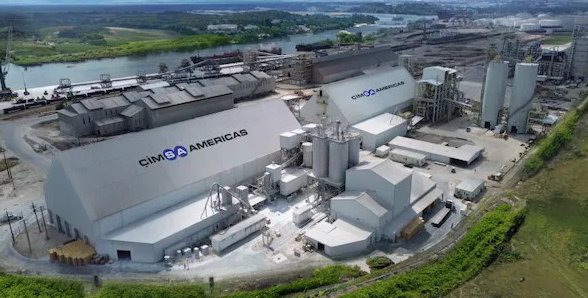
Mammoet transported three 120-meter-long bridge sections from the assembly site at the Port of Coeymans to a loading point for barge transit down the Hudson River. Each section was transferred mid-river to a staging area and then loaded onto a barge equipped with Mammoet’s Mega Jack system. Using tugboats and winches, the sections were positioned and lowered onto support columns. The two side sections required additional sliding into place using Mammoet’s slide track systems.
The new Portal North Bridge, standing 15 meters high, eliminates the need for a swing mechanism to accommodate river traffic, unlike the old bridge, which was only 7 meters above the Hackensack River at high tide. This design improvement enhances reliability and efficiency for the heavily trafficked rail corridor.
Sidney King, Mammoet project manager, stated: “The bridge section’s relocation and successful loading onto the barge demanded careful planning and close coordination with Skanska and Carver, and we’re proud to report a seamless operation.” The project’s success highlights the precise coordination and technical expertise required to execute such a challenging infrastructure upgrade.
This operation modernizes a critical transportation link, reducing delays and improving service for commuters in the New York metropolitan area. The new bridge’s design and installation reflect advancements in engineering, ensuring long-term reliability for one of the region’s most vital rail connections.