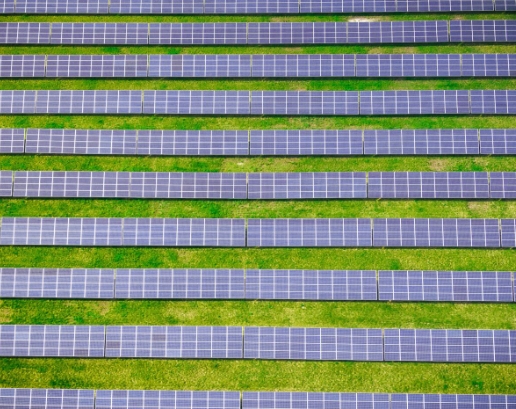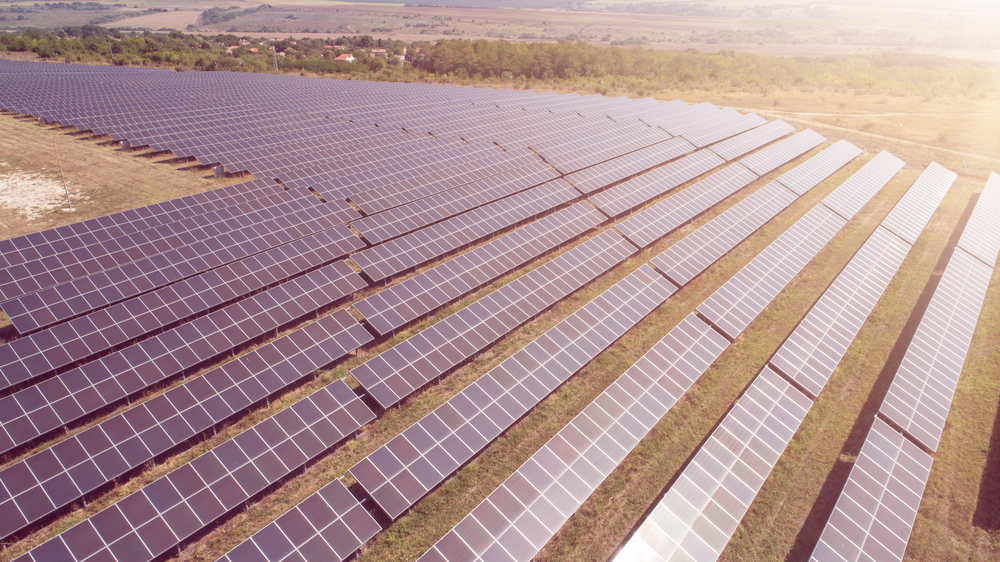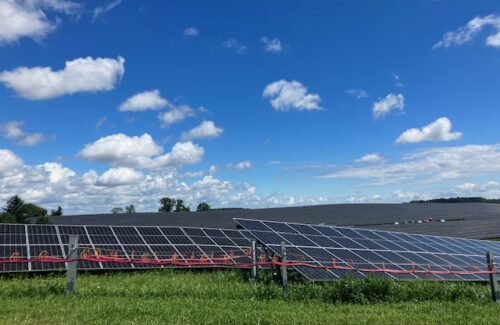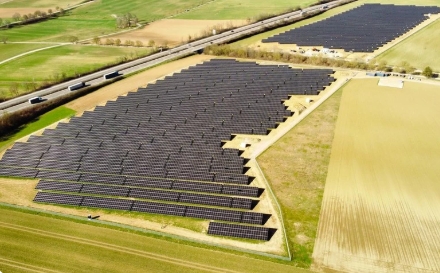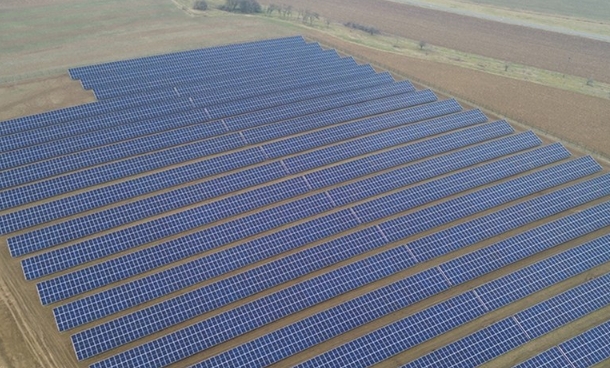
In Rosenberg, one solar park has a capacity of 8.1 MW, while the second operates at 5.2 MW. The largest facility, located in Hardheim, generates 10.9 MW. Together, these plants can produce enough electricity to power approximately 9,800 households. Construction of the three sites was completed in about six months, showcasing efficient project execution.
EnBW spokesman Stefan Wresch explained: “The big challenge with these projects was that the grid connection is about 14 kilometres away in the municipality of Buchen. Viewed on its own, none of the projects would have been economically feasible as a result. But the fact that we were able to combine the cable route for the three projects reduces the costs for each individual project.” This shared infrastructure approach enhanced the economic viability of the solar parks.
To support environmental sustainability, measures were implemented to promote biodiversity and conservation at the sites. The solar parks are projected to reduce carbon dioxide emissions by approximately 19,500 tonnes annually, contributing to cleaner energy production in Germany.
The successful grid connection of these facilities reflects EnBW’s commitment to expanding renewable energy infrastructure. By addressing logistical challenges and prioritizing environmental considerations, the company has strengthened its role in advancing sustainable energy solutions. The Rosenberg and Hardheim solar parks are expected to provide reliable, clean electricity for years to come, supporting Germany’s broader renewable energy goals.