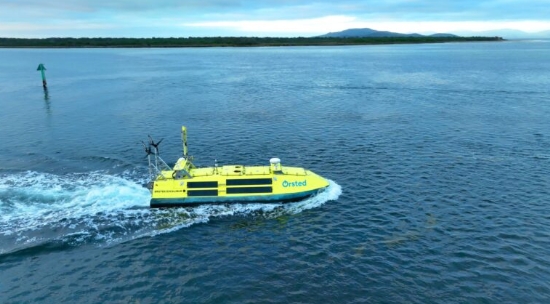
The collected information will enhance Ørsted’s understanding of seabed composition and subsurface conditions. This data is essential for mapping the marine environment, guiding project design, including turbine placement, and minimizing environmental impacts. The findings will ensure that the wind farms are developed efficiently and sustainably, aligning with Australia’s renewable energy goals.
In November 2024, Ørsted awarded a contract to MMA Offshore to collect subsea data, supporting the development of offshore wind projects in the region. Additionally, Ørsted deployed devices to monitor wind, weather, and ocean conditions in its licensed areas, with measurements planned to continue for two years. These efforts build on marine environmental baseline surveys initiated last year, which form the foundation for the Gippsland offshore wind project.
Ørsted was among the first companies to secure a feasibility license for offshore wind development in Gippsland. The two project sites, Gippsland 1 and Gippsland 2, have a combined potential to generate 4.8 gigawatts of renewable energy—2.8 gigawatts from Gippsland 1 and 2 gigawatts from Gippsland 2. This capacity could supply clean energy to approximately four million Australian households, significantly contributing to the nation’s renewable energy landscape.
In March 2025, Australia’s Offshore Infrastructure Regulator approved the feasibility stage management plan for the two wind farms. The plan outlines how Ørsted will conduct activities safely and in compliance with the Offshore Electricity Infrastructure Act, ensuring responsible development of the projects.
Ørsted’s Gippsland initiative reflects its commitment to advancing renewable energy in Australia. By leveraging detailed environmental and technical data, the company aims to optimize the design and operation of the wind farms while protecting the marine ecosystem. The project is a key step toward expanding offshore wind capacity in the region, supporting Australia’s transition to cleaner energy sources.
The successful completion of these investigations marks significant progress for Ørsted’s Gippsland offshore wind farms. As the company moves forward with project planning, the data will inform decisions to ensure the wind farms deliver reliable, sustainable energy while fostering economic and environmental benefits for the Gippsland region and beyond.