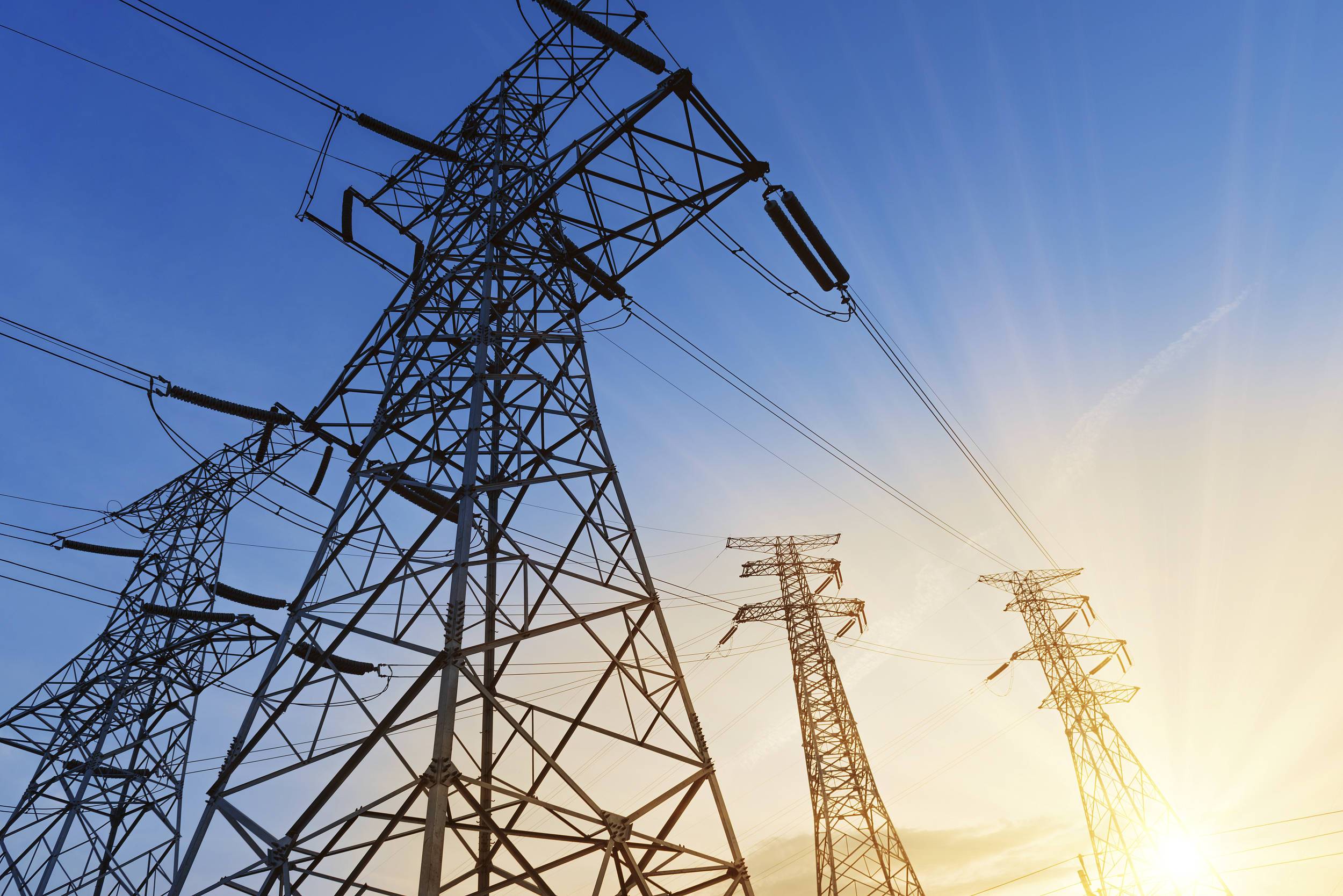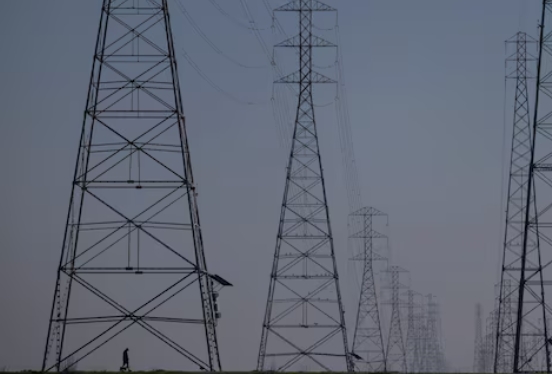
A local resident walks by the power grid towers at Bair Island State Marine Park in Redwood City, California, United States, January 26, 2022.
FERC’s annual assessment highlighted that the retirement of traditional power plants, which operate continuously, is making way for renewable energy sources. This transition is adding pressure to the electrical system, particularly as demand grows.
Under typical weather and supply conditions, the U.S. is expected to have sufficient power to meet demand. However, regions such as New England, the Midwest, the Mid-Atlantic, the Southwest, and Texas face a higher risk of power shortages if certain conditions arise. FERC noted: “These include above-normal electricity demand, periods of low wind and solar output, and wide-area heat events that disrupt available transfer and generator availability.” In such cases, operational adjustments may be necessary to maintain reliability and avoid disruptions like power outages or increased costs.
The National Oceanic and Atmospheric Administration indicates a 40% to 60% chance of above-average temperatures in the western and southeastern U.S., while the central and northeastern regions face a 30% to 50% likelihood. High temperatures drive increased use of air conditioning, significantly boosting electricity demand. Additionally, environmental factors such as droughts may reduce hydropower availability, while wildfires and hurricanes could interrupt power delivery during the summer.
The growth of data centers, particularly those supporting artificial intelligence, is further contributing to higher electricity needs. As demand rises, the retirement of fossil fuel-based power plants is outpacing the addition of new generation capacity. Coupled with increasing natural gas prices, these factors are expected to result in higher electricity bills this summer compared to last year.
FERC emphasized the importance of monitoring these trends to ensure a stable power supply. The agency’s report underscores the need for preparedness to address potential challenges posed by extreme weather and growing energy demands.