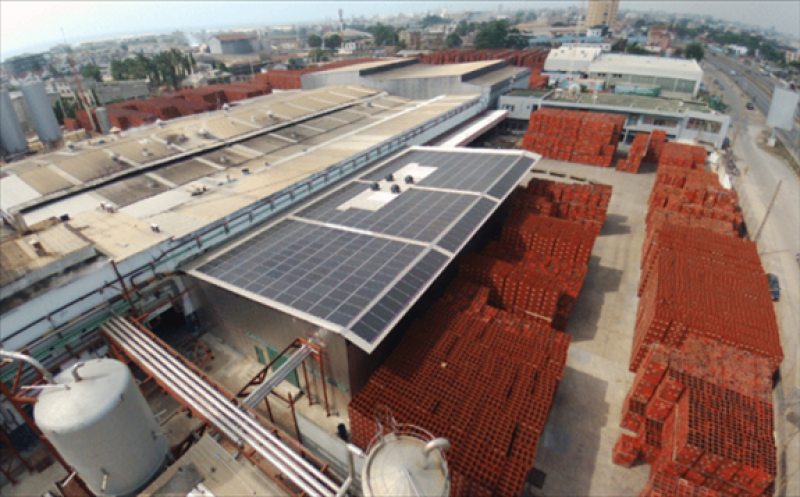
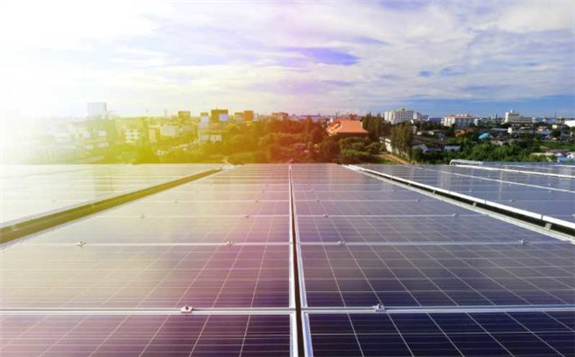
Bali Governor, I Wayan Koster, launching the Acceleration of Rooftop Solar Power Utilization program
At the program’s launch, Koster stated: “All provincial, district, and city government offices must use rooftop solar, along with all hotels, villas, schools, campuses, and markets.” The initiative aims to leverage Bali’s abundant solar potential to reduce reliance on fossil-based electricity.
The Institute for Essential Services Reform (IESR), a Jakarta-based think tank, praised the program as a practical solution tailored to Bali’s geography and socioeconomic context. IESR’s analysis estimates Bali’s total solar potential at 22 GW, with rooftop solar capacity ranging from 3.3 GW to 10.9 GW. Currently, only 1% of this potential is utilized, with 25% to 30% of Bali’s electricity supplied from Java via interconnection cables.
IESR Executive Director Fabby Tumiwa emphasized the need for enhancements, stating: “Large-scale, distributed rooftop solar systems should include battery energy storage systems (BESS) to reduce the risk of supply failures from Java.” IESR also recommended removing the existing quota system, reinstating net-metering, and supporting rooftop solar with BESS for commercial and industrial buildings to maximize efficiency.
The think tank highlighted Bali’s role as Indonesia’s cultural and tourism hub, noting: “Rooftop PV is not only a technical solution, but also a symbol of citizen participation in saving the earth.” IESR encouraged collaboration among local governments, the state-owned utility PLN, educational institutions, communities, businesses, and civil society to advance the program.
Bali aims to achieve net zero emissions by 2045, aligning with Indonesia’s national goal of decarbonizing its energy system by 2060 or earlier. As of August 2024, Indonesia’s cumulative solar capacity exceeded 700 MW, according to IESR data. The Bali program is expected to contribute significantly to these targets by accelerating clean energy deployment.
By prioritizing rooftop solar, Bali seeks to enhance energy security, support sustainable tourism, and foster community-driven renewable energy initiatives. The program’s focus on local collaboration and infrastructure development positions Bali as a model for equitable and effective energy transition in Indonesia.