In an interview with Brazilian newspaper Estadao, Silveira stated: “Russia’s Rosatom was to begin engaging with the Brazilian government shortly so we can move toward the development of small nuclear reactors, which will be vital for our energy future.” This follows existing nuclear energy ties, as Russia supplies enriched uranium for Brazil’s Angra nuclear power plant. In July 2024, Rosatom noted Brazil’s interest in floating SMR power stations, and in December 2024, Russia’s Embassy in Brazil confirmed a working group would finalize nuclear cooperation details by the end of 2025.
During the Moscow visit, Silveira met with Rosatom subsidiary Tenex, posting on Facebook: “The aim of our meeting was to establish partnerships to both increase Brazilian uranium production and expand cooperation in the nuclear sector, which is becoming increasingly essential for the country’s energy security and for the progressive decarbonisation of our economy.” These efforts aim to enhance Brazil’s energy stability and support environmental goals.
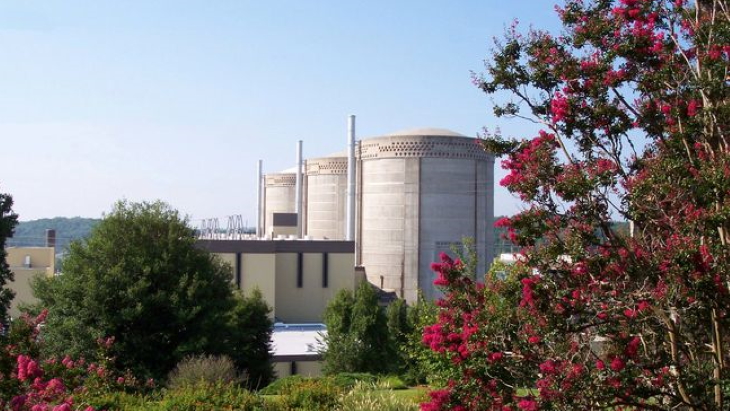
Brazil operates two nuclear reactors, Angra 1 and Angra 2, which provide approximately 3% of the nation’s electricity. The Angra 3 project, featuring a 1405 MW pressurized water reactor, began in 1984 but faced multiple interruptions, including a suspension in 1986 and another in 2015 amid a corruption investigation, when it was 65% complete. Construction has since resumed and paused again, with a decision on completion pending.
Russia, through Rosatom, has developed SMR designs for both land-based and floating nuclear power plants. It is advancing a project in Uzbekistan with six RITM-200N reactors, adapted from icebreaker technology, marking its first SMR export. Russia is also building a land-based SMR in Yakut, targeting a 2027 launch for the first unit. The collaboration with Brazil reflects a shared focus on innovative nuclear solutions to meet energy demands sustainably.