This move is part of a broader trade détente with the US, marking a potential easing of tensions between the two economic powerhouses.
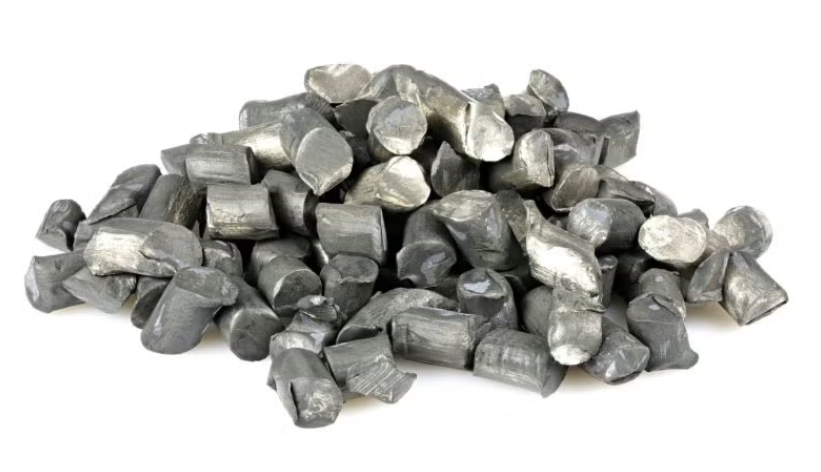
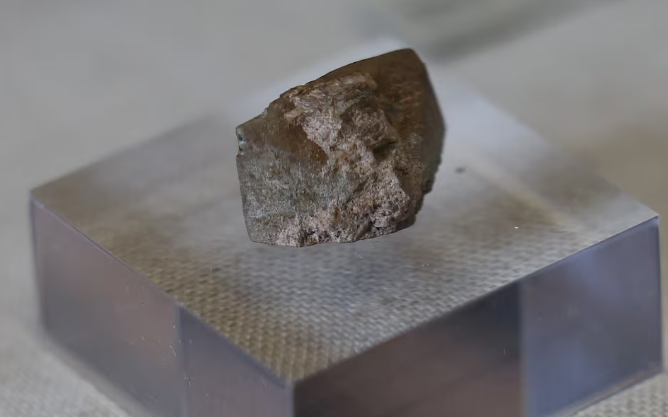
On April 4, China added 16 U.S. companies to its export control list, followed by an additional 12 on April 9. The restrictions applied to medium and heavy rare earths, including dysprosium, gadolinium, lutetium, samarium, scandium, terbium, and yttrium, which are essential for industries such as technology and defense. Although the Ministry’s recent statement did not explicitly list the commodities, it is understood that seven categories of rare earths, previously classified as dual-use, are now eligible for licensed export.
The suspension is part of a broader effort to ease trade tensions with the United States, aligning with a recent bilateral agreement to temporarily lower tariffs on each other’s goods. This marks a significant step toward reducing friction in the ongoing trade dispute. U.S. President Donald Trump described the move as a “total reset” of the relationship between the two nations.
During the 90-day period, exporters of dual-use goods, which have potential military applications, can apply for export licenses through the Ministry of Commerce. Additionally, the Ministry has lifted a trade and investment ban on 17 U.S. companies, further indicating a move toward stabilizing global economic relations.
A spokesperson for the Ministry of Commerce stated: “This temporary suspension supports mutual economic cooperation and promotes fair trade practices between China and the United States.”
The decision is expected to facilitate smoother access to critical materials for U.S. industries while fostering dialogue to address trade challenges. The pause in restrictions provides an opportunity for both nations to explore sustainable trade solutions.