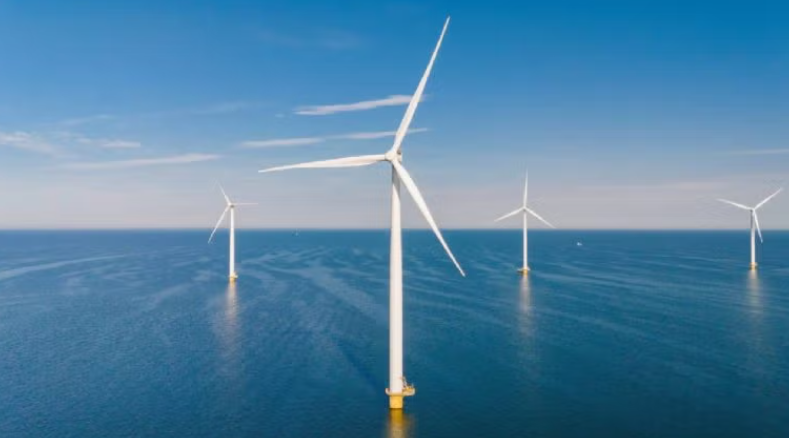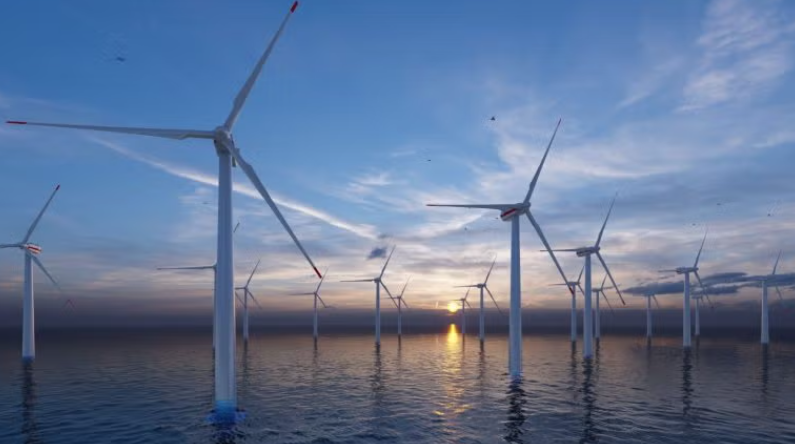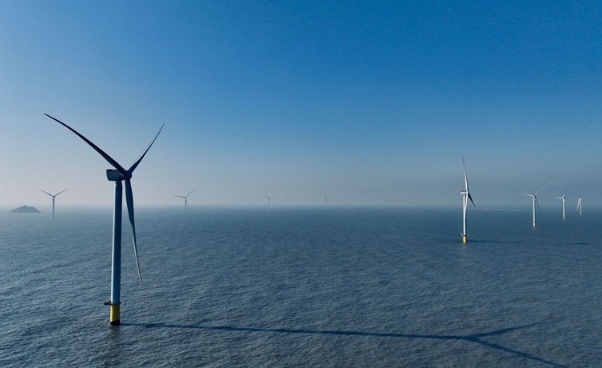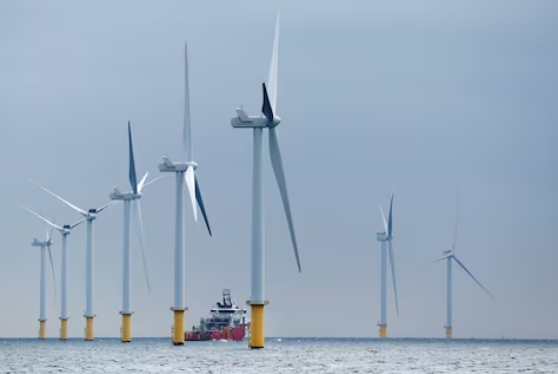
A wind farm is seen at sea near Ijmuiden, Netherlands, September 25, 2023.
In March, the Dutch Climate Ministry noted low interest in three planned tender sites, as energy companies Eneco and Orsted indicated that the projects lacked a viable business case without subsidies. “We are still looking into ways to reintroduce subsidies in our tenders for offshore wind farms,” Climate Minister Sophie Hermans stated, addressing the challenges with the current zero-subsidy model.
Hermans added that comprehensive plans for future tenders would be outlined by the third quarter, following a missed mid-April deadline. The government is exploring options to make the projects more attractive to bidders while maintaining its renewable energy objectives.
Last year, the Netherlands adjusted its offshore wind capacity goal, extending the timeline to increase from 4.7 GW to 21 GW by the end of 2032, rather than 2030. This change was attributed to high costs, supply chain constraints, and delays in decision-making processes. The revised strategy aims to balance ambitious clean energy targets with practical implementation.
The delay reflects broader challenges in the renewable energy sector, where financial and logistical hurdles can impact project timelines. The government’s focus on reintroducing subsidies and refining tender processes underscores its commitment to expanding offshore wind capacity to meet domestic energy consumption needs sustainably.
These efforts are part of the Netherlands’ ongoing transition to renewable energy, prioritizing local consumption while navigating global supply chain dynamics and market conditions.