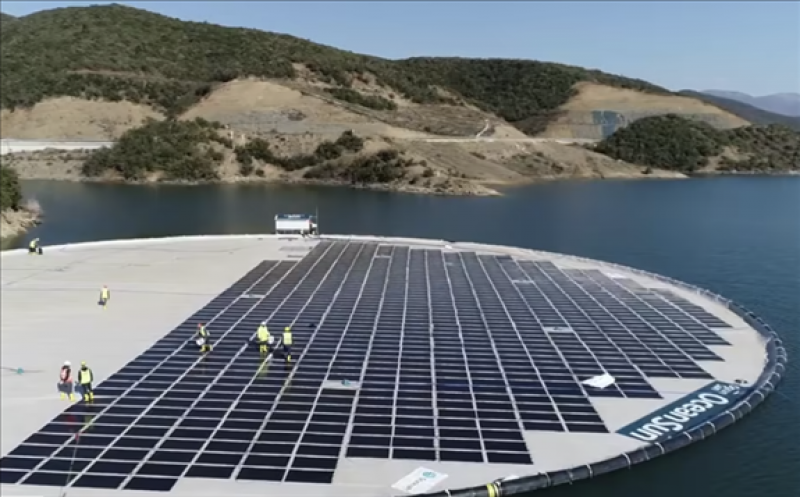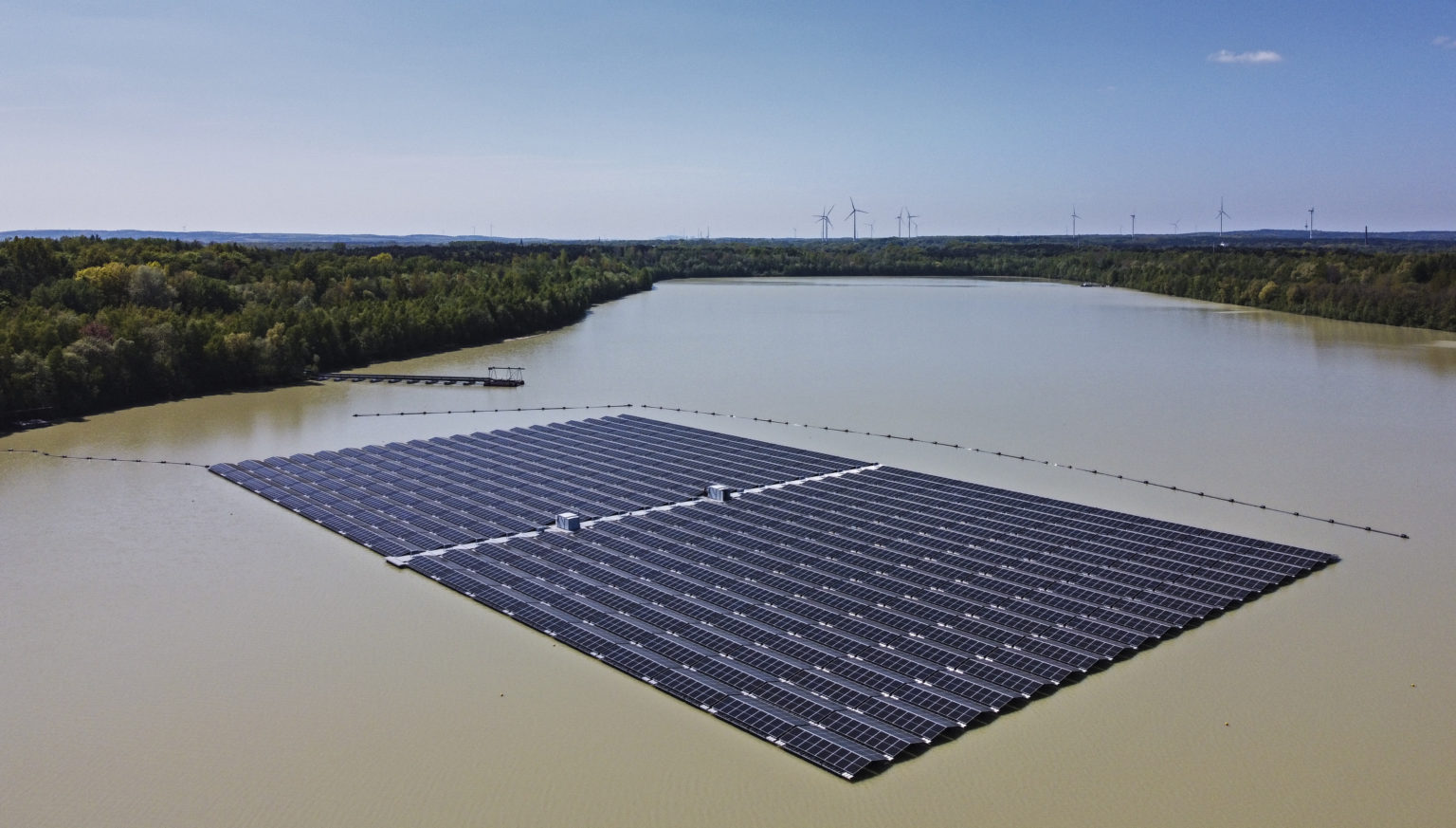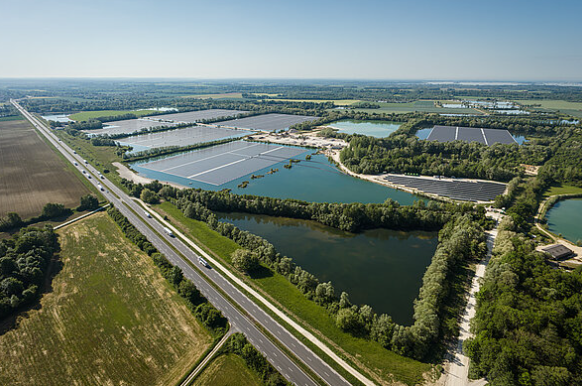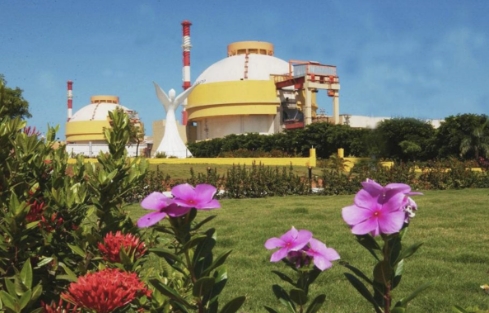
The proposed site for the solar plant is a seawater dyke, a shallow reservoir used in nuclear power plants to separate inlet water from the heated water discharged after cooling the steam condenser. Ciel & Terre, a specialist in floating solar technology, assessed the site and estimated its potential capacity at approximately 50 megawatts.
This project aligns with India’s commitment to expanding renewable energy sources, complementing the existing nuclear power operations at Kudankulam. The floating solar plant is expected to utilize the reservoir’s surface efficiently, generating clean energy without requiring additional land resources, thus supporting sustainable energy consumption within the region.
The collaboration between NPCIL and Ciel & Terre reflects a strategic effort to integrate innovative renewable energy solutions into India’s energy mix. By leveraging the unique infrastructure of the seawater dyke, the project aims to contribute to the country’s renewable energy goals while maintaining the operational efficiency of the nuclear power plant.
The Kudankulam initiative is part of broader efforts to diversify energy production in Tamil Nadu, a state with significant energy demands. The floating solar plant could enhance local energy security and reduce reliance on fossil fuels, supporting both domestic consumption and environmental sustainability.
This development underscores NPCIL’s proactive approach to adopting clean energy technologies, fostering economic benefits through job creation and technological advancement in the renewable energy sector. The project also highlights Ciel & Terre’s expertise in delivering tailored floating solar solutions for unique environments.