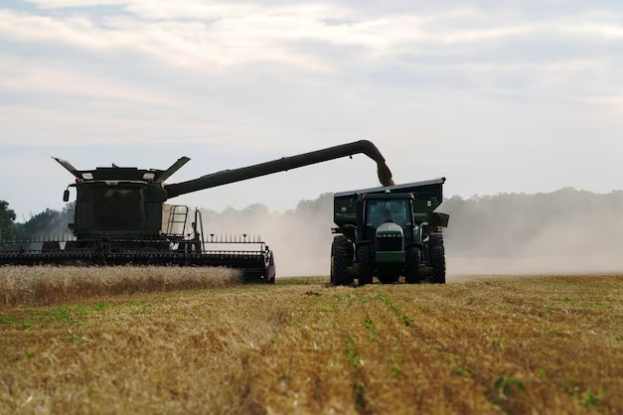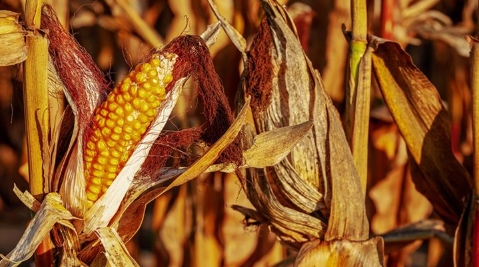
Experts attribute the shift to increased demand from the poultry, livestock, and food industries, which has made maize a more profitable option for farmers. Improved technology and favorable pricing have also played a key role in encouraging this transition. The maize harvest season has just begun, and the Ministry of Agriculture projects this year’s total output will reach a record 6.0 million tonnes, which would nearly meet the country’s full demand for maize.
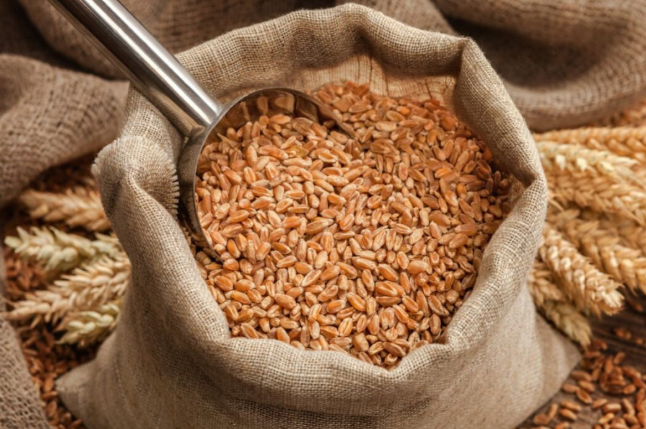
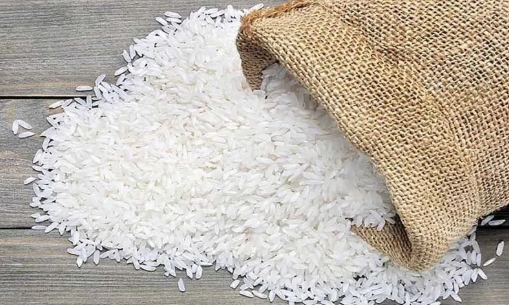
In the Nilphamari district, maize cultivation has grown to 33,200 hectares, up from 28,000 hectares last year, according to DAE data. This expansion has come at the expense of wheat, as many former wheat fields have been converted to maize. While boro rice remains stable at around 81,000 hectares, a portion of that land has also been shifted to maize, which is considered high-yielding and more cost-effective.
In the Rangpur region, maize is now cultivated on 0.127 million hectares—an increase of 10,000 hectares over the previous year. At the same time, wheat cultivation has declined to just 14,000 hectares, which is nearly half of last year’s figure.
Farmer and entrepreneur Imtiaz Kabir Chowdhury from Nilphamari observed a noticeable reduction in boro rice fields this year. He explained that farmers can harvest 35–40 maunds of maize per bigha, while production costs are 20–30% lower compared to boro rice. Freshly harvested maize is sold for 24–25 taka per kilogram. Traders supply it to companies for 28–29 taka, with prices rising to 32–34 taka after one month of storage, and reaching 36–40 taka in the off-season.
Dr. Salahuddin Ahmed, Director of the Bangladesh Wheat and Maize Research Institute, noted that the country's climate is highly suitable for maize cultivation. He highlighted the strategic shift to 0.55 million hectares this year as a significant development that benefits farmers economically while also meeting growing domestic demand.
This record maize harvest is expected to enhance food security and support the growth of allied sectors such as poultry farming and food processing, reinforcing the crop’s role in Bangladesh’s agricultural and economic landscape.