The project will be one of the highest-grade open-pit gold mines in the US, having gold reserves of approximately 4.8moz.
With this permit secured, Perpetua Resources is now focusing on completing the remaining state-level permits and arranging the financing necessary to start construction. The permitting journey began in 2016 under the National Environmental Policy Act (NEPA), with the US Forest Service overseeing the process. Between 2020 and 2025, a series of environmental impact statements and decisions were issued as part of this review.
In April 2025, the project was added to the Federal Permitting Improvement Steering Council’s FAST-41 dashboard as part of a Transparency Project. This initiative is designed to enhance coordination and accountability among federal agencies during project evaluations. The selection aligns with efforts to strengthen domestic mineral production.
Perpetua Resources president and CEO Jon Cherry stated: “As we celebrate receiving the final federal permit for the Stibnite gold project, we applaud the National Energy Dominance Council and the Permitting Council’s efforts to streamline permitting and propel critical mining projects nationwide. We believe this administration’s commitment to boosting efficiency without compromising rigorous environmental standards can have a transformational impact on American mining.”
The Stibnite project is expected to be among the highest-grade open-pit gold mines in the US, with estimated gold reserves of about 4.8 million ounces. During its first four years of operation, it is projected to produce approximately 450,000 ounces of gold per year.
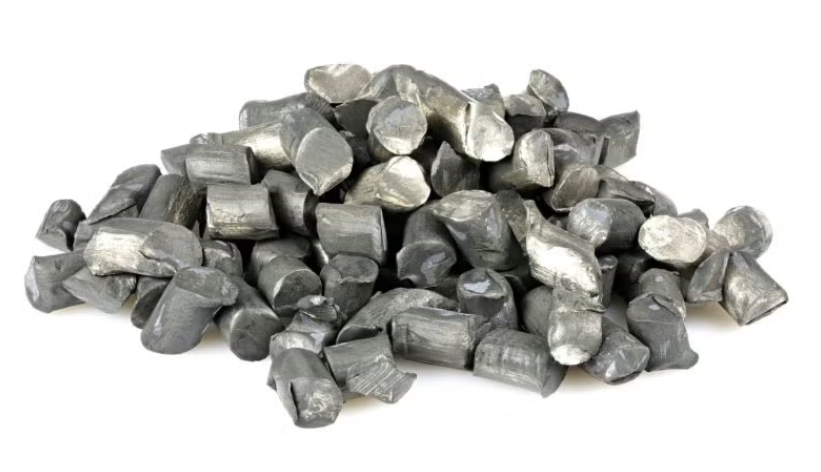
In addition to gold, the site also holds significant antimony reserves—estimated at around 148 million pounds. These reserves represent the only known source in the US and are considered among the largest outside of China. Based on the US Geological Survey's 2023 antimony commodity summary, the project could meet roughly 35% of domestic antimony demand during its first six years.
The development is also expected to bring environmental restoration and economic benefits to the region. The project is projected to create an average of 550 jobs during its operational phase, contributing to local employment and regional growth.