The agreements were made with Uttar Pradesh Power Corporation Limited (UPPCL), which serves as the off-taker. In parallel, UPPCL has released a tender for an additional 2 GW of energy storage capacity. Once these planned projects are operational, Uttar Pradesh is expected to utilize approximately 35.4% of its estimated 13.4 GW potential in pumped hydro storage.
This initiative positions Uttar Pradesh as one of the early movers in adopting large-scale long-duration energy storage, in line with national efforts to integrate renewable energy and enhance grid reliability.
In a similar development, the state of Maharashtra has also made significant progress in this sector. The Maharashtra State Power Generation Company (Mahagenco) and Avaada Group have signed agreements for a total of 8.9 GW of pumped hydro storage capacity across nine sites. Of this, Avaada will develop 3.6 GW, representing a substantial portion of the state's commitment to energy storage infrastructure. This segment of the project alone will involve an estimated investment of Rs 15,000 crore.
These developments follow the Central Electricity Authority's projection that India will require 27 GW / 175 GWh of long-duration pumped hydro storage capacity by 2031–2032. The growing interest in pumped hydro projects reflects a broader national strategy to support grid stability and manage peak demand through sustainable, dispatchable energy sources.
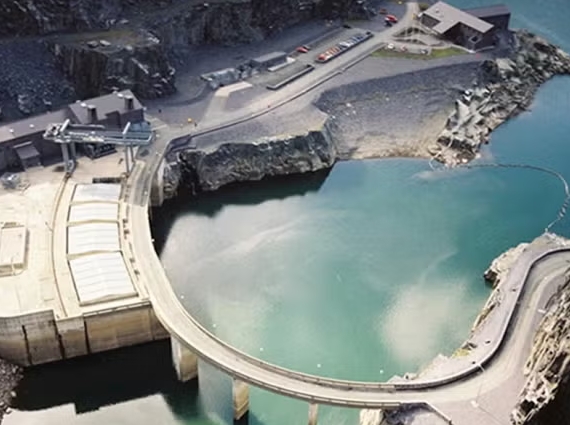
Pumped hydro storage is considered one of the most mature and scalable forms of long-duration energy storage. By using surplus renewable energy to pump water to a higher elevation and later releasing it to generate electricity, these systems offer both flexibility and efficiency in managing variable generation.
The agreements in Uttar Pradesh and Maharashtra mark important steps toward India’s long-term energy goals. They also highlight increasing state-level participation in meeting national targets for renewable energy integration and energy storage capacity expansion.
As the commissioning of these projects progresses, they are expected to contribute to energy security and enable higher penetration of renewable energy sources such as solar and wind in the power mix. These efforts also align with the broader objectives of sustainable development and transition to low-carbon energy systems.