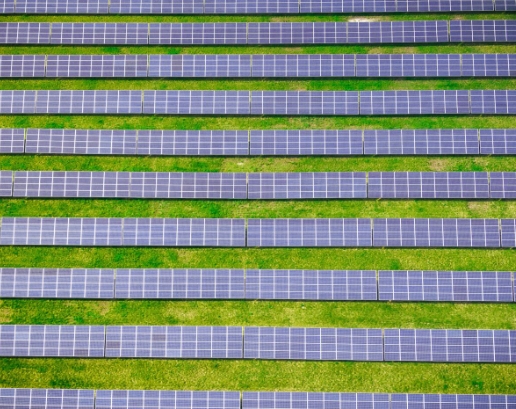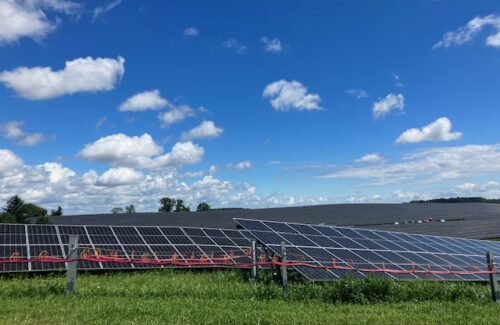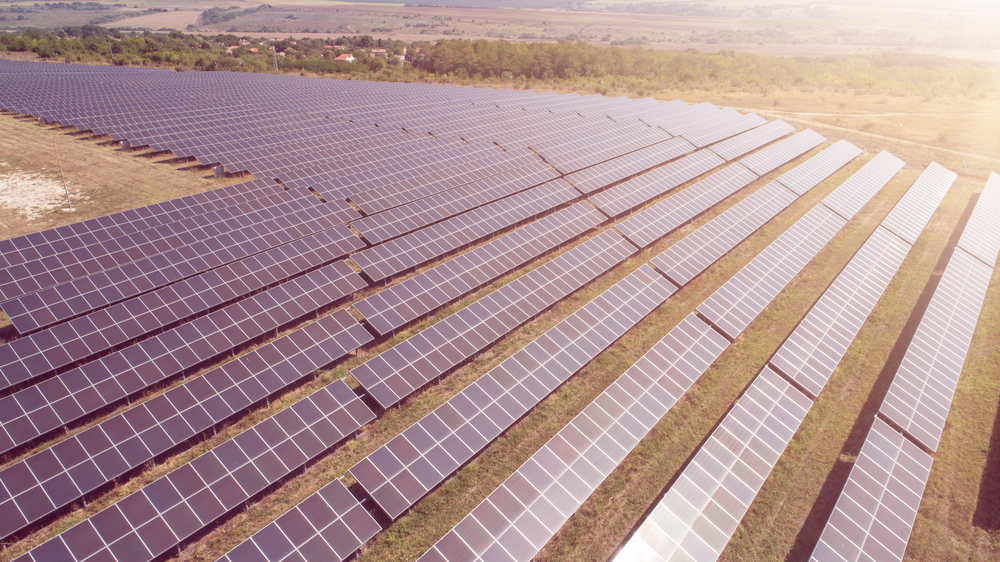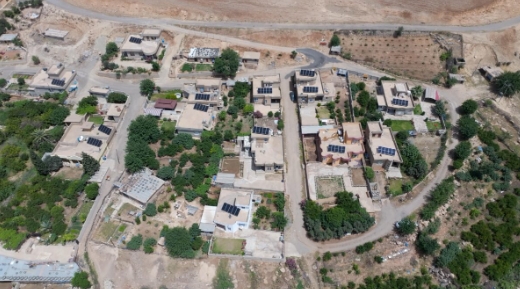
The solar village features 195 solar panels, supplying power to 36 homes, a mosque, a school, and a community hall. The Rwanga Foundation noted that the system could also support solar-driven irrigation, with plans to offer training in regenerative agriculture to enhance local sustainability. The initiative addresses issues like extreme heat, water scarcity, and desertification, which are significant in Iraq, a country ranked by the United Nations as the fifth most vulnerable to climate change.
The foundation aims to expand the Kulak model to other rural areas in Kurdistan and central Iraq before the decade’s end, collaborating with regional authorities and international organizations. Idris Nechirvan Barzani, founder and president of the Rwanga Foundation, stated: “Our vision is to see this model grow across Iraq – one village at a time – until sustainability becomes the standard, not the exception.”
According to the International Renewable Energy Agency (IRENA), Iraq’s total solar capacity was 42 MW at the end of last year. The Kulak solar village represents a significant step toward increasing renewable energy adoption, promoting energy access, and fostering environmentally sustainable practices in the region.