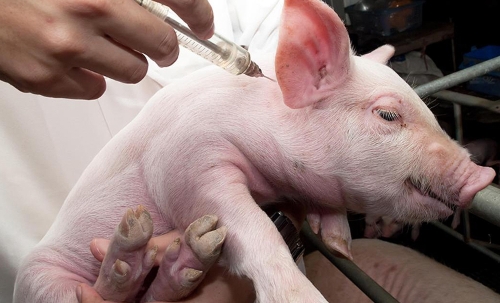
Gaëlle Simon, head of the Pig Immunology and Virology Unit at ANSES’s Ploufragan-Plouzané-Niort Laboratory, explained: “We noticed this new genotype because it was associated with an increase in outbreaks and severe cases of flu in pigs, characterised by high fever, respiratory problems, coughing and also abortions in sows.” The virus’s ability to evade immunity from prior infections and vaccinations contributed to its rapid spread.
ANSES researchers analyzed samples collected between January 2019 and December 2022, confirming that H1N2#E is genetically and antigenically distinct from earlier strains in France. Simon noted: “This difference meant that they were able to evade the pre-existing immunity of pigs, resulting from previous infections or vaccination.” Comparisons with other swine influenza viruses suggest the strain likely originated in Denmark and was introduced to France through imported animals, either directly or via other European countries.
The emergence of H1N2#E raises concerns about potential transmission to other species, including humans. ANSES highlighted that the virus has caused outbreaks in turkey farms since 2020 and led to a severe human case of swine flu in 2021. The agency warns that pigs, susceptible to human and avian influenza viruses, can act as mixing vessels, potentially leading to new viral strains. Simon emphasized: “The last flu pandemic, which occurred in 2009, was caused by a swine influenza virus.”
To mitigate risks, ANSES recommends stringent biosecurity measures on pig farms, including quarantining new animals and monitoring for flu symptoms. Currently, reporting swine flu infections is not mandatory in France, but enhanced surveillance is advised to prevent further spread.
This development underscores the importance of ongoing research and vigilance to manage the impact of new viral strains on livestock and public health.