A guard walks past the Reliance Industries logo near the entrance of Dhirubhai Ambani Knowledge City in Navi Mumbai, March 15, 2024.
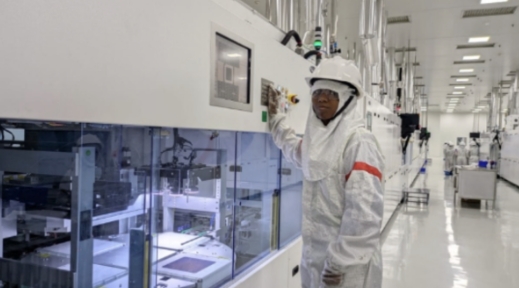
Partha P Maitra, President of Strategy and Initiatives at Reliance Industries, stated: “We are today building three bigger factories... in order to produce clean energy requirements.” The solar module factory is one of three major facilities under development, aimed at addressing India’s growing demand for sustainable energy. India has been intensifying efforts to meet its clean energy targets, having fallen short in 2022, with a goal of achieving 500 GW of non-fossil power capacity by 2030, according to a Global Energy Monitor report.
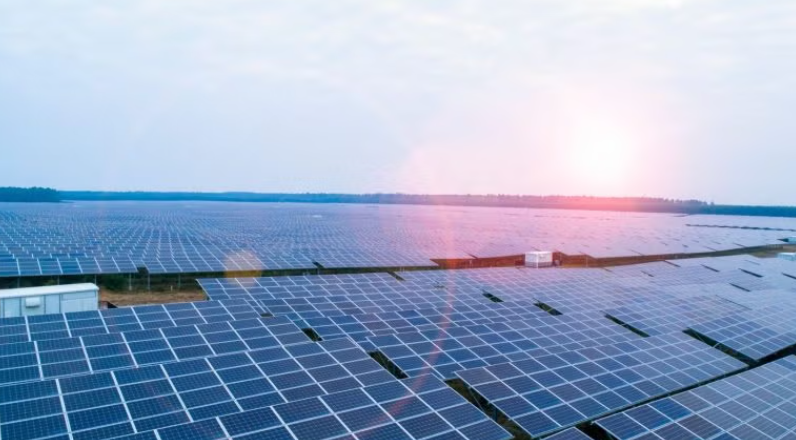
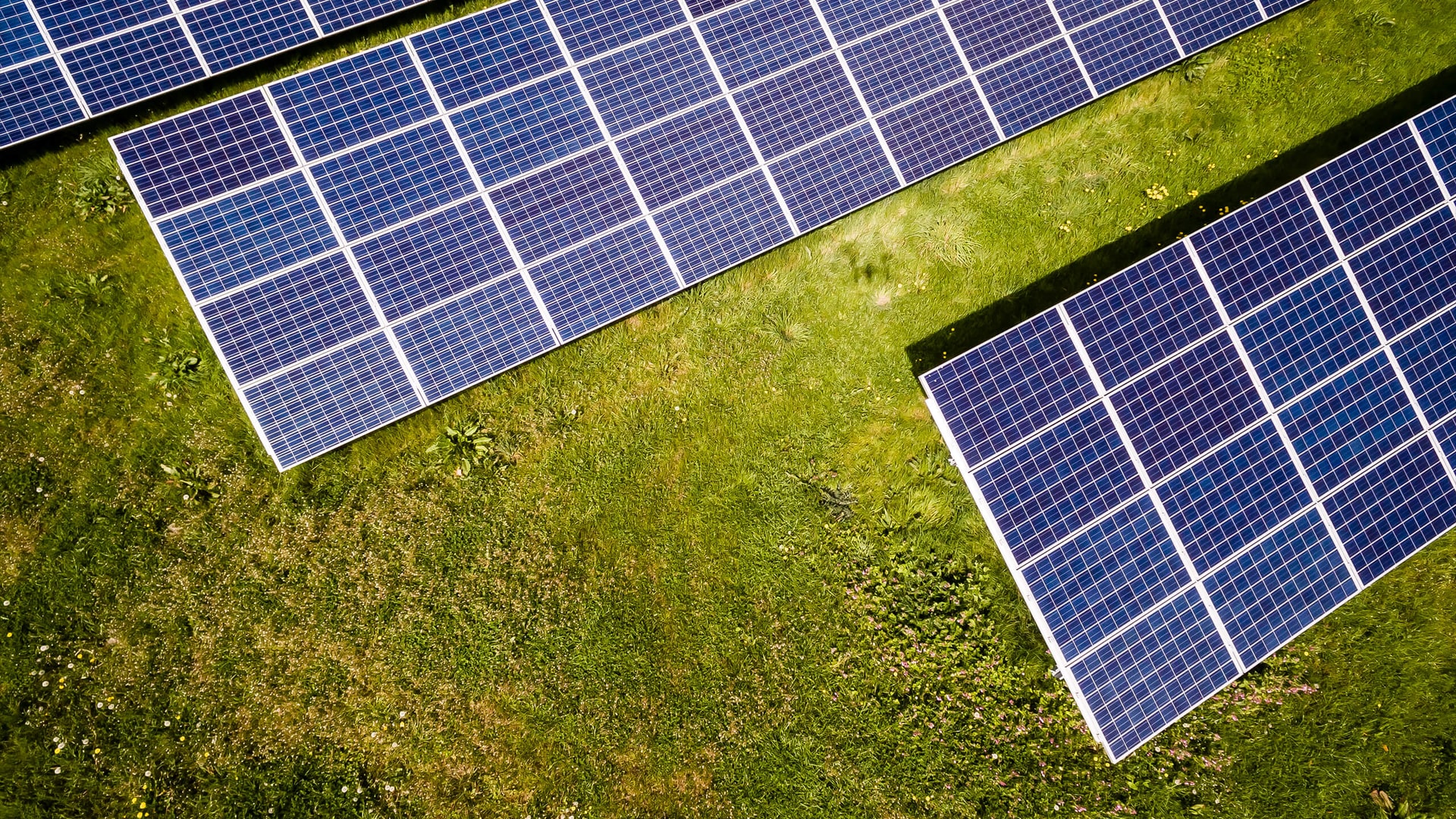
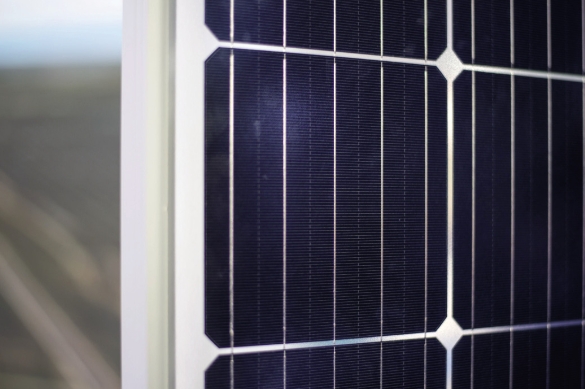
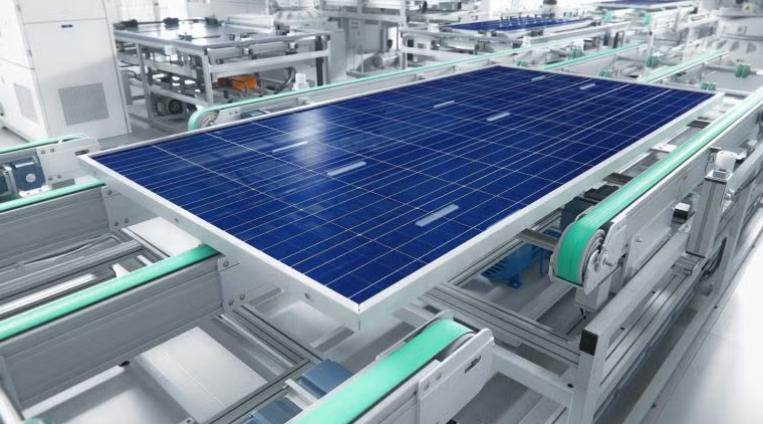
The solar factory is expected to scale up to a capacity of 20 GW per year, positioning Reliance as a significant player in global solar module production. Maitra noted: “If it happens we will be the no. 2 solar PV producer in the world. We will produce roughly 14% of total solar PV modules outside China.” This ambitious target underscores Reliance’s commitment to expanding renewable energy infrastructure and reducing reliance on fossil fuels.
In addition to the solar facility, Reliance plans to start a battery and micro power electronics factory in 2026, further diversifying its clean energy portfolio. These developments align with India’s broader push to double its renewable energy capacity over the next five years, addressing both domestic energy needs and global sustainability goals.
Reliance’s investment in clean energy infrastructure reflects its strategic focus on fostering sustainable growth in India’s energy sector. By establishing large-scale production facilities, the company aims to contribute significantly to the country’s renewable energy landscape while supporting economic development through innovative energy solutions.