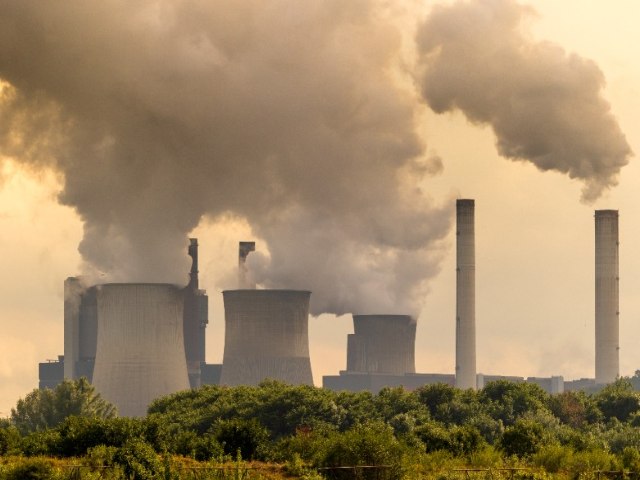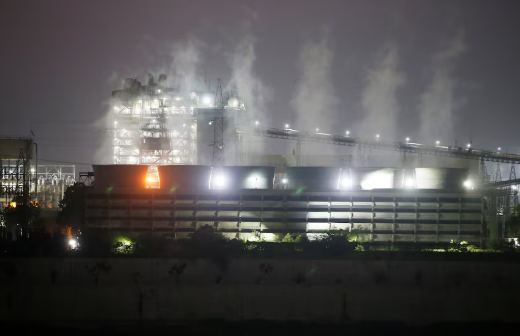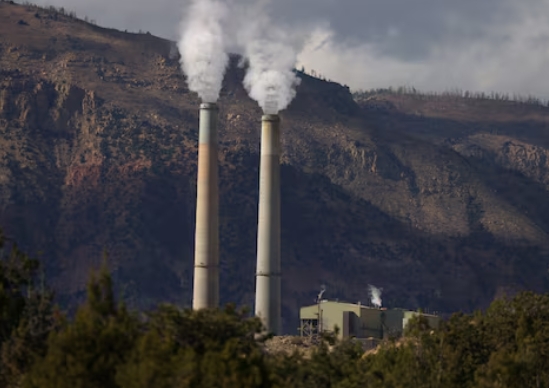
Fumes rise from the coal-fired Huntington Power Plant in Huntington, Utah, U.S., October 28, 2024.
An EPA spokesperson stated: “Many have voiced concerns that the last administration's replacement for that rule is similarly overreaching and an attempt to shut down affordable and reliable electricity generation in the United States, raising prices for American families, and increasing the country's reliance on foreign forms of energy.” The agency is working on a proposed rule to address these concerns, with further details to be released following the review process.
According to a report by the New York Times, the EPA’s draft regulation suggests that carbon dioxide and other greenhouse gases from fossil fuel power plants do not significantly contribute to harmful pollution or climate change, citing their relatively small and decreasing share of global emissions. The EPA also noted that removing these emission limits would not substantially impact public health or welfare.
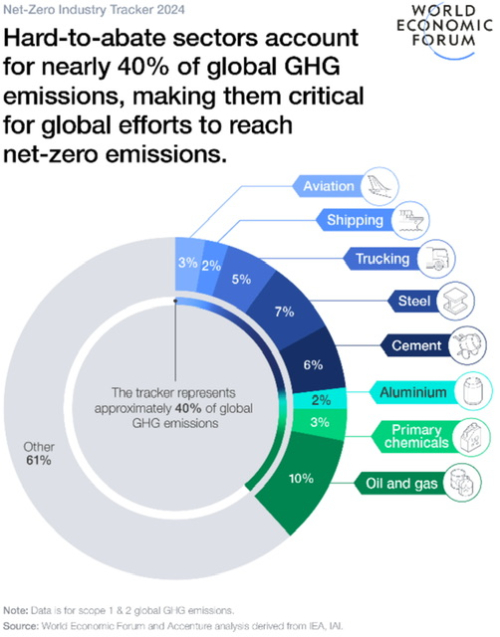
The United Nations reports that fossil fuels account for over 75% of global greenhouse gas emissions and nearly 90% of carbon dioxide emissions, making them the primary driver of global warming. The EPA’s proposed changes come as part of broader policy shifts under President Donald Trump’s administration, which has prioritized supporting oil, gas, and mining industries.
On Thursday, the U.S. House of Representatives advanced a comprehensive tax and spending bill proposed by President Trump. Described by Trump as “one big beautiful bill,” the package seeks to eliminate federal funding for initiatives established under former President Joe Biden’s Inflation Reduction Act, including grants aimed at reducing air pollution, greenhouse gas emissions, and supporting electric heavy-duty vehicles.
During his first term, President Trump pledged to roll back regulations targeting carbon emissions from power plants. EPA Administrator Lee Zeldin emphasized the agency’s commitment to this approach, stating: “We continue to build on that progress now.” The proposed rule reflects ongoing efforts to adjust environmental policies while balancing energy production and economic considerations.