The life cycle tests showed that all cells surpassed 500 cycles.
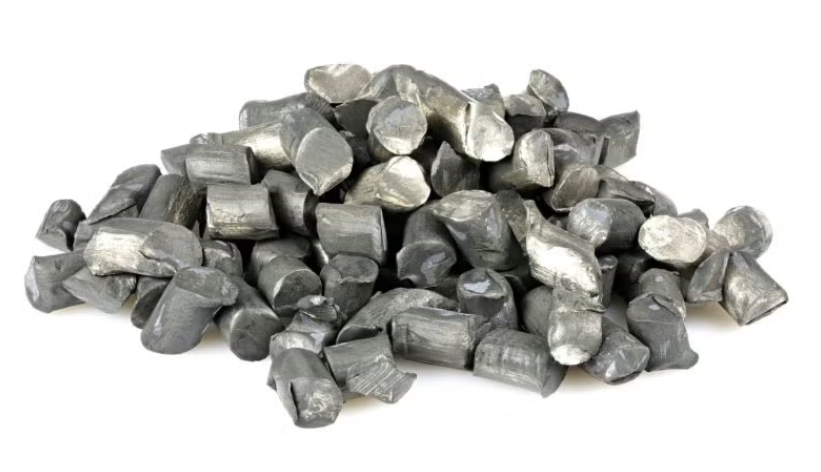
On March 13, 2025, E3 Lithium reported that it used various lithium chloride concentrates derived from its commercial facility’s process flow in Canada. These concentrates were processed at Pure Lithium’s facility in Boston, where they were transformed into pure lithium metal anodes electrodeposited onto copper substrates. The resulting anodes were assembled into batteries for electrochemical performance testing. Analysis via Inductively Coupled Plasma Optical Emission Spectroscopy (ICP-OES) confirmed the lithium metal achieved a purity exceeding 99.9%.
Testing showed that the batteries maintained strong performance, with all cells surpassing 500 charge and discharge cycles while retaining at least 80% of their capacity. E3 Lithium president and CEO Chris Doornbos stated: “These results confirm that E3’s lithium concentrate can produce battery-ready lithium metal anodes using Pure Lithium’s technology. The Pure Lithium team has worked very hard in making these batteries and confirming the performance of our lithium. We are very encouraged by the results, and I am excited by the prospect of developing a local lithium battery supply chain in collaboration with Pure Lithium.”
The batteries demonstrated consistent performance at a 1C:1D charge-discharge ratio, achieving a one-hour cycle duration. The study found E3’s lithium concentrate to be a cost-effective and easily producible feedstock for Pure Lithium’s batteries. Notably, batteries made with E3’s Leduc Brines showed no performance differences compared to those using Pure Lithium’s standard sources, highlighting the robustness of the process.
Pure Lithium founder, chairman, and CEO Emilie Bodoin emphasized the partnership’s potential: “I am delighted to reinvent the lithium supply chain with E3 Lithium. We not only produced pure lithium metal anodes from unconventional sources of lithium using a newly invented technology but also validated their performance by cycling them in over 100 batteries. Rigorous electrochemical testing of battery materials is imperative, and to get such great results consistently, using a technology that was specifically developed to be cost effective, is truly exciting.”
The collaboration continues to develop an integrated process aimed at producing high-purity lithium metal anodes at minimal cost, supporting the growth of a sustainable and efficient battery supply chain.