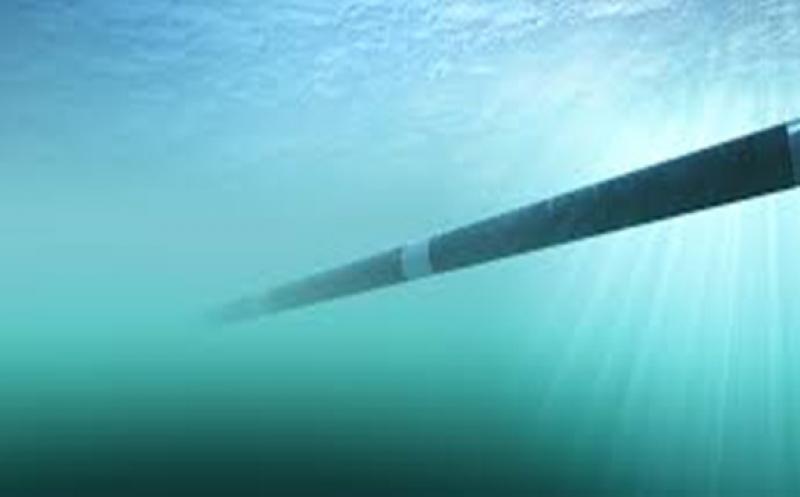
The cable infrastructure includes one 500 MW HVDC subsea cable provided by Nexans, forming half of the bipole interconnection, while Prysmian supplied the other half and two subsea telecom links. Managed by the Greek transmission system operator, Independent Power Transmission Operator (IPTO), through its subsidiary Ariadne Interconnection, the project achieved a key milestone on May 21 when converter stations were energized, enabling reactive power injection into the electrical systems of both Attica and Crete.
The interconnection successfully transferred direct current electricity on May 24, marking the start of operations. A trial phase is planned to continue through the summer months to ensure system reliability. With a capacity of 1,000 MW, the project is among the world’s deepest interconnections and leads in power transfer capacity for island systems, enhancing Crete’s energy security and reducing annual CO2 emissions by 500,000 tons, according to IPTO.
Greece’s Minister of Environment and Energy, Stavros Papastavrou, stated: “Through this submarine energy bridge, which was constructed rapidly and using the most advanced technology, Crete becomes a central pillar in the country’s energy transition.” IPTO Chairman and CEO Manos Manousakis added: “The operation of the interconnection opens a new chapter for the island’s energy security.”
The project is co-funded by the Operational Programme “Transport Infrastructure, Environment and Sustainable Development” (NSRF 2014–2020) and the “Environment and Climate Change” program of NSRF 2021–2027, with contributions totaling €535.5 million. This financial support underscores the project’s role in advancing sustainable energy infrastructure.
By connecting Crete to the mainland grid, the interconnection ensures a stable electricity supply, supports the island’s energy needs, and contributes to Greece’s environmental goals. The project’s advanced technology and significant capacity position it as a model for future energy initiatives in the region.