This deal could also foster cooperation with Rwanda and other neighbours in the export and processing of metals.
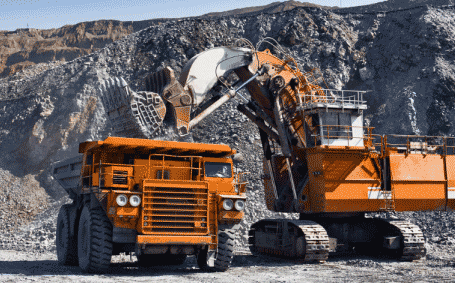
The proposed U.S. investment seeks to strengthen the DRC’s mining sector, which has seen significant foreign involvement since 2008. DRC Mining Minister Kizito Pakabomba stated: “An agreement with the U.S. would diversify the nation’s partnerships and reduce reliance on any single country.” The deal could also promote cooperation with Rwanda and neighboring countries in the export and processing of minerals, fostering regional economic ties.
However, challenges remain. DRC officials emphasize that the M23 rebel group must withdraw, and any alleged external support for them must end before agreements involving Rwanda’s role in the mineral trade can proceed. The DRC prioritizes regaining control of key territories, including major cities, to ensure stability before expanding trade partnerships.
Yolande Makolo, spokesperson for the Rwandan president, highlighted the need for a lasting peace agreement, stating: “A long-lasting peace agreement that addresses the root causes of insecurity is essential.” Rwanda has denied claims of supporting rebel groups and asserts its actions are defensive.
Massad Boulos, the U.S. envoy for Africa, has pushed for further talks in Washington to bridge differences. After meetings with DRC and Rwandan leaders, Boulos presented a draft peace agreement to facilitate dialogue. The U.S. State Department underscored its commitment to peaceful resolutions and transparent supply chains for natural resources, aiming to support sustainable development in the region.
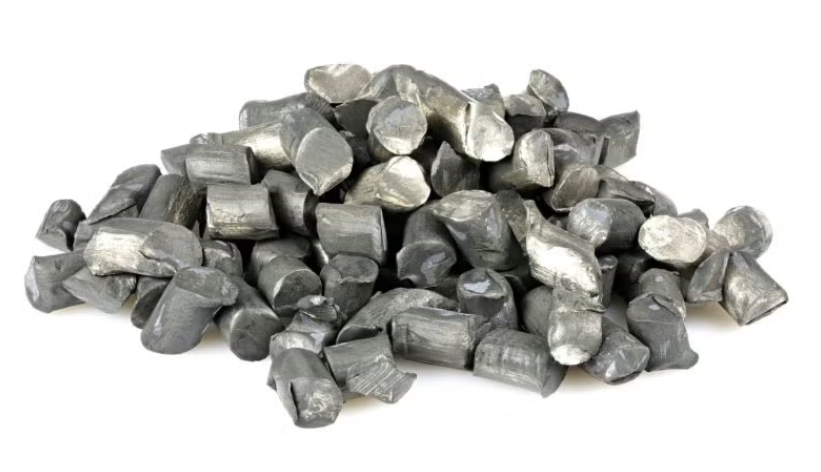
Separately, the DRC paused cobalt exports starting February 22 due to a market oversupply, as announced by ARECOMS. This decision reflects efforts to stabilize the domestic mineral market while pursuing international partnerships. The negotiations with the U.S. aim to balance economic growth with regional stability, leveraging the DRC’s rich mineral resources to meet global demand.