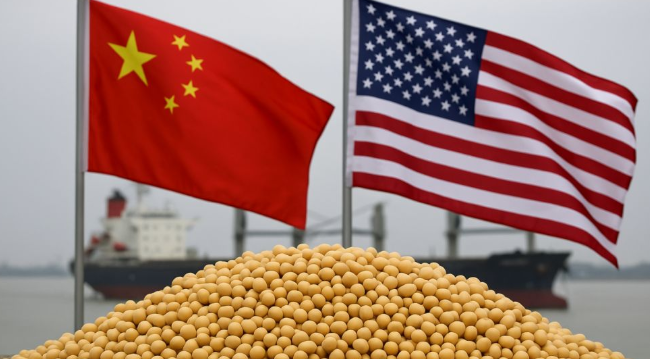
China’s reduced imports stem from substantial soybean reserves, projected to reach 43.86 million metric tons by the end of 2025, representing 36% of global stocks, according to the U.S. Department of Agriculture’s Economic Research Service. This is slightly below the 46.01 million tons in 2024 but significantly higher than the 16.64 million metric tons in 2015. Imports are expected to hit a high of over 100 million metric tons in the 2024/25 marketing year, up from 99.7 million the previous year.
China has also increased domestic production, adding about 7 million acres of soybean cultivation since 2015, boosting output by 7.5 million metric tons. Scott Stiles, an agricultural economics program associate at the University of Arkansas, noted: “China has been trying to increase their own soybean production, and that has contributed to their stockpile.” China’s average soybean production remains around 49 bushels per ton, compared to Arkansas’s 58 bushels per ton in 2024, where farmers plan to plant 3 million acres in 2026.
Stiles added: “China’s demand for U.S. soybeans ramped up last fall when prices hit a five-year low, making it a great time to stock up. The 2024/25 U.S. crop was harvested at low moisture, ideal for storage.” China’s strategic purchases also included a $1 billion agricultural trade agreement with Argentina for soybeans for imports in 2024.
William Maples, an assistant professor at Mississippi State University, said: “Due to the current high levels of stocks projected by the USDA, soybean prices are expected to remain weak in early 2025.”
The outlook for South American crops, particularly Brazil’s record harvest in 2024/25 due to favorable weather, will influence global stocks. Argentina’s production remains uncertain. With ample reserves and increased domestic output, China’s soybean imports are expected to remain moderate, impacting global prices and trade dynamics.