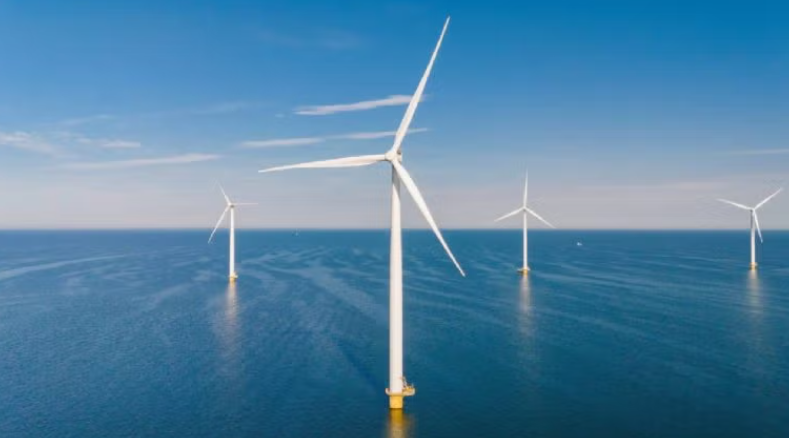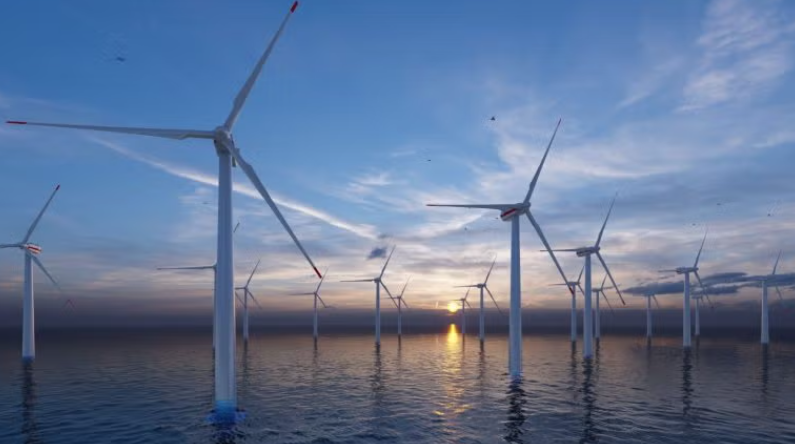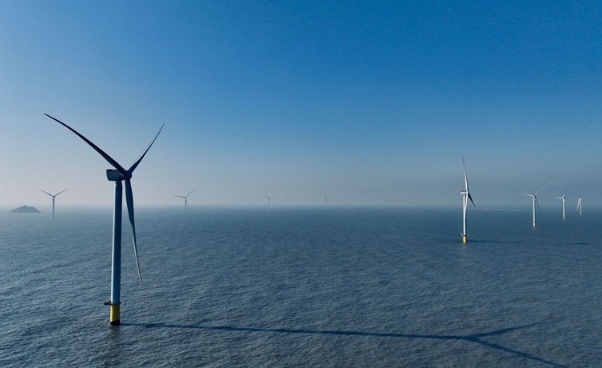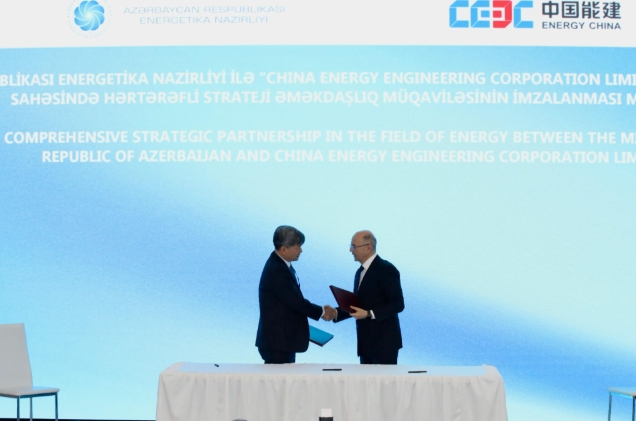
The agreement includes plans for CEEC to explore a 200 MW offshore wind project in the Caspian Sea. Additionally, cooperation will extend to the 160 MW Fuzuli Solar power plant and the ‘Green Energy Corridor’ initiatives, aimed at strengthening Azerbaijan’s renewable energy capacity.
The collaboration also encompasses energy planning, network research, and the establishment of a research center dedicated to advancing green energy technologies. Training programs for skilled professionals in the renewable energy sector are another key component of the agreement, fostering expertise to support long-term sustainability goals.
Azerbaijan’s Ministry of Energy highlighted the country’s renewable energy potential, referencing the 2022 Offshore Wind Roadmap, developed with the World Bank and the International Finance Corporation. The roadmap indicates Azerbaijan could achieve 7 GW of offshore wind capacity by 2040 with appropriate infrastructure, investment, and policy support.
An official from the Ministry of Energy stated: “Cooperation with CEEC will be carried out on the 160 MW Fuzuli Solar power plant and the ‘Green Energy Corridor’ projects.” This partnership builds on a recent agreement with Chinese companies to develop a 2 GW offshore wind project in the Azerbaijan sector of the Caspian Sea, further expanding renewable energy efforts.
The initiatives align with Azerbaijan’s commitment to diversifying its energy mix and promoting sustainable development. By leveraging CEEC’s expertise, the country aims to enhance its renewable energy infrastructure, improve grid reliability, and meet growing energy demands through clean sources. The collaboration also supports workforce development, ensuring a skilled labor pool to drive future projects.
This partnership marks a significant step in Azerbaijan’s renewable energy journey, combining local ambitions with international expertise to advance offshore wind and solar projects, contributing to both regional energy security and global sustainability objectives.