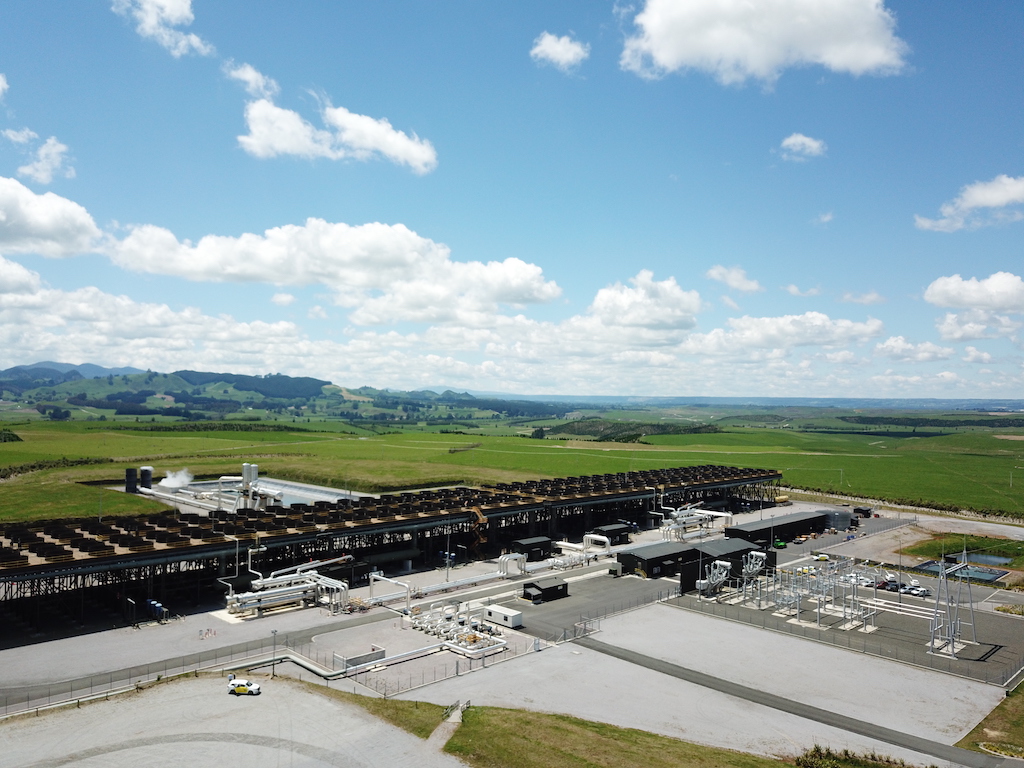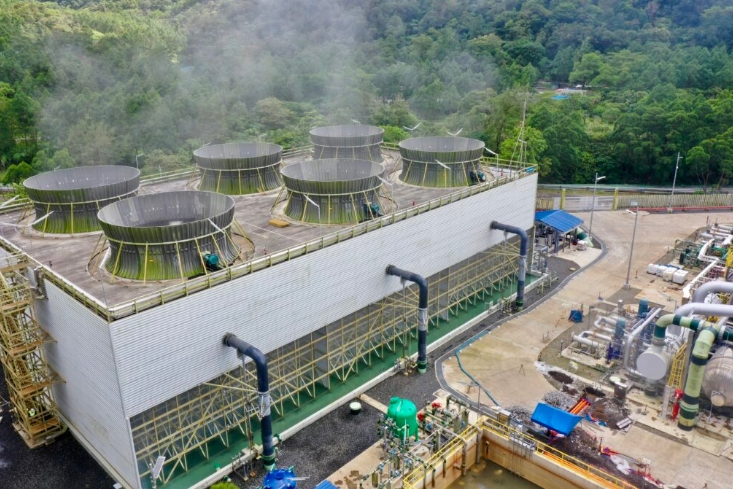
The Palayan Bayan binary geothermal power plant in the BacMan site in the Philippines
EDC received awards for two binary geothermal power plants: the Mindanao 3 and Bago projects. These projects have a combined capacity of 9.3 MW and were awarded at tariff rates ranging from PhP 5.1092 to 7.6441 per kilowatt-hour (approximately USD 0.091 to 0.14 per kWh). BGI was granted a contract for the 21.5 MW Tanawon geothermal plant at a rate of PhP 7.6441 per kWh.
These projects are scheduled to be developed between 2025 and 2027 and are expected to support the country’s long-term renewable energy targets. The DOE launched GEA-3 as part of its broader strategy to advance the Philippines’ energy transition by encouraging the integration of diverse renewable sources, such as geothermal, hydropower, biomass, and ocean energy. In total, GEA-3 awarded 6,720.2 MW across all renewable energy categories.
Although the auction achieved significant progress in securing capacity from various renewable technologies, the geothermal segment received less interest than anticipated. This outcome suggests that developers may be facing challenges related to resource assessment, financing conditions, or project maturity in the geothermal sector. It also marks the first time geothermal energy was included in the Green Energy Auction, reflecting the government’s intention to diversify energy sources beyond solar and wind.
Despite the lower-than-expected participation, the awarded geothermal projects are aligned with the DOE’s Renewable Energy Roadmap. This roadmap outlines the goal of increasing the share of renewable energy in the Philippines’ power generation mix to 35% by 2030 and 50% by 2040.
The auction results highlight the need for continued support and policy refinement to enhance the commercial viability of geothermal developments. By doing so, the government aims to unlock more investment in this sector and support its broader climate and energy objectives.
The awarded projects by EDC and BGI demonstrate a continued interest in geothermal energy and set a foundation for future developments. As implementation begins in the coming years, these plants are expected to contribute clean, reliable energy to the grid while advancing the Philippines' renewable energy ambitions.