The technology has demonstrated the ability to separate more than 80% of low-value material in a single flash from ionic clay REE projects.
The FJH technology, licensed exclusively from Rice University, concentrates valuable rare earth elements (REEs) like neodymium, praseodymium, dysprosium, and terbium. It achieves over 80% separation of low-value material in a single flash and recovers 81% of terbium without using acids or solvents. This simplifies the traditionally complex and costly rare earth processing, offering a faster, modular alternative to multi-stage solvent extraction methods.
MTM’s managing director and CEO, Michael Walshe, stated: “Our proof-of-concept work on Meteoric’s MREC clearly shows the transformative potential of Flash Joule Heating. In a single flash we shifted the product mix decisively toward the high-value magnet rare earths, dramatically lifting material value while stripping out waste.” He added that further multi-flash runs are expected to enhance performance, potentially establishing a chloride-based processing route for ionic-clay feedstocks in Western markets.
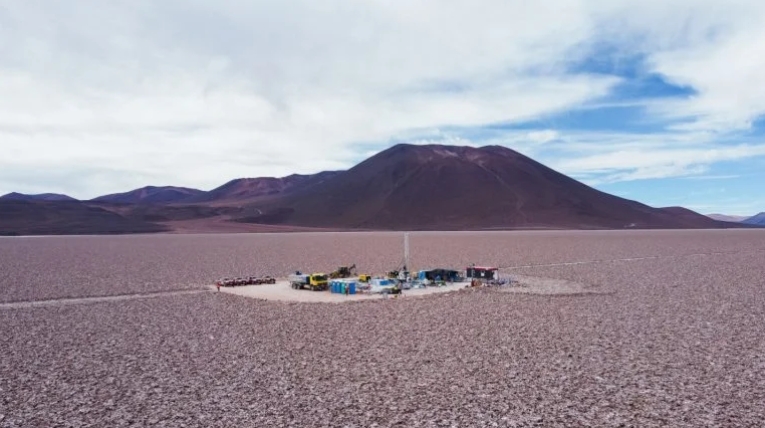
The Caldeira project, spanning 193 km² across 69 licenses near Poços de Caldas, benefits from high-grade feed and a simple process with strong metallurgical recoveries and environmental credentials. The FJH technology could reduce capital and operating costs, accelerating the project’s path to commercialization and supporting the development of alternative supply chains for rare earths.
In March 2025, MTM signed another MoU with Vedanta to explore alumina waste recycling, demonstrating its commitment to innovative resource processing. The partnership with Meteoric Resources aims to advance the Caldeira project, leveraging FJH to meet growing global demand for critical rare earth elements.
This collaboration highlights the potential for sustainable, efficient rare earth processing, positioning MTM and Meteoric to contribute to the global supply of high-value REEs.