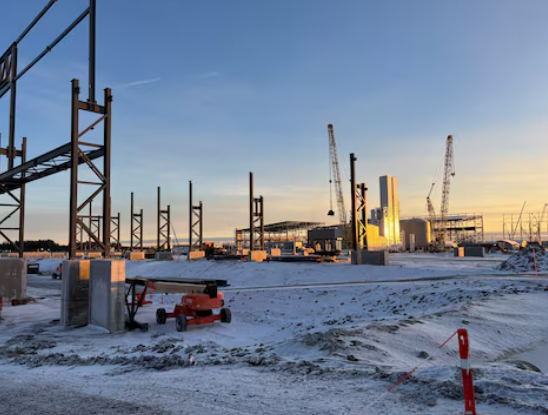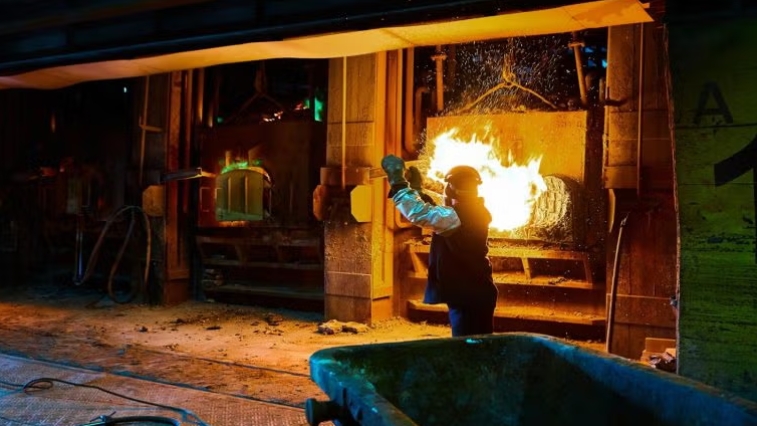
The plant began processing mined ores despite previous delays caused by a global shortage of feedstock.
The smelter, part of Adani Enterprises, aims to support India’s efforts to reduce reliance on imported copper. With an initial capacity of 500,000 tonnes per annum, the plant started its first phase in March of the previous year. The company plans to double its capacity to one million tonnes by the end of fiscal year 2029. However, reaching full operational capacity may take up to 18 months, longer than the typical two-to-three-month ramp-up period, as the smelter requires approximately 1.6 million tonnes of concentrated copper ores to operate at full scale.
An Adani Enterprises spokesperson stated: “The Kutch Copper smelter is now operational and is working towards achieving peak capacity.”
The global shortage of copper concentrates has posed challenges for smelters, driven by increased competition from new and expanded facilities. Integrated plants in mining operations in Indonesia and the Democratic Republic of Congo have reduced the availability of concentrates for other smelters. Additionally, the growth of standalone smelters, including the Adani plant and a 500,000-tonne-per-annum copper smelter launched by Tongling Nonferrous Metals in China earlier this year, has intensified demand for raw materials from the open market, impacting processing margins.
The Adani Kutch Copper plant represents a significant step in enhancing India’s domestic copper production capacity, aligning with the country’s goal of strengthening its industrial and resource infrastructure.