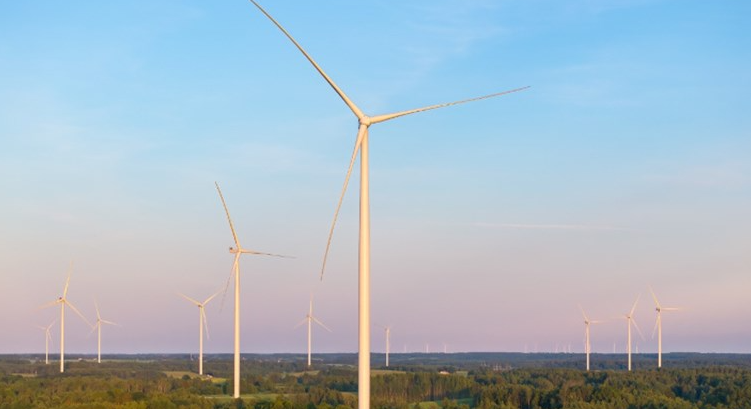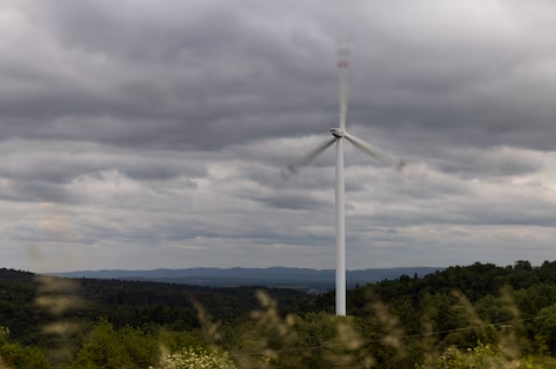
A power-generating windmill turbine owned by Ikea Retail is pictured during strong wind near Leki Dukielskie, Poland, June 12, 2023.
The new law reduces the required distance between planned wind farm installations and residential areas. However, it maintains stricter permitting processes for projects located near protected natural environments to ensure ecological balance.
Additionally, the legislation includes provisions to support households and local communities. A key clause freezes household energy prices until the end of 2025, providing financial relief. The bill also offers incentives for municipalities and homeowners in areas near new wind farm developments to encourage local support.
Climate Minister Paulina Hennig-Kloska addressed Parliament on Wednesday, stating: "This is a step towards lower power prices for Poles and for the economy, an idea we all share. The more power we have from renewable sources, the lower electricity prices will be."
Expanding renewable energy has been a central commitment of the current government, following years of limited progress in onshore wind development under the previous administration. The new rules aim to accelerate the growth of clean energy sources, which accounted for nearly 30% of Poland’s electricity production in 2024. The country currently has 11 gigawatts of installed wind capacity.
The legislation now awaits approval from the Senate and the president. Outgoing President Andrzej Duda and president-elect Karol Nawrocki have expressed reservations about easing wind farm permitting requirements. Duda noted on Wednesday that the inclusion of the energy price freeze amendment appeared designed to pressure him into signing the bill.
Poland’s energy mix is gradually shifting, with renewable sources gaining ground while coal-fired power, which remains dominant, sees a decline. The government anticipates that the new law will further strengthen the renewable energy sector, contributing to both economic and environmental goals.