The newly announced Syria Electricity Emergency Project (SEEP) will focus on reconstructing high-voltage lines and transformer substations that have been ravaged by conflict.
Syria’s energy infrastructure has faced significant challenges since 2020, with damaged transmission and distribution systems limiting most areas to two to four hours of daily electricity. This shortage disrupts essential services, including water supply, healthcare, food production, and housing development, particularly in areas with returning refugees and internally displaced persons.
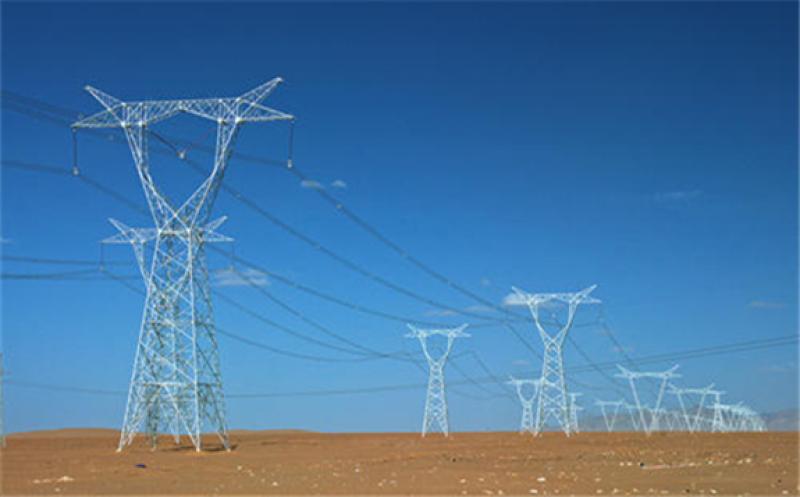
The Syria Electricity Emergency Project (SEEP) will focus on rebuilding critical infrastructure, such as high-voltage lines and transformer substations. The initiative includes repairing 400kV interconnector lines linking Jordan and Türkiye, enhancing regional connectivity and addressing local energy demands in densely populated areas.
Jean-Christophe Carret, World Bank Middle East division director, stated: “Among Syria’s urgent reconstruction needs, rehabilitating the electricity sector has emerged as a critical, no-regret investment that can improve the living conditions of the Syrian people, support the return of refugees and the internally displaced, enable resumption of other services such as water services and healthcare for the population and help kickstart economic recovery. This project represents the first step in a planned increase in World Bank support to Syria on its path to recovery and development.”
Beyond infrastructure repairs, SEEP provides technical assistance to strengthen Syria’s electricity sector. This includes policy and regulatory guidance to ensure long-term sustainability, alongside capacity-building for institutions managing the sector. The Public Establishment for Transmission and Distribution of Electricity (PETDE) will oversee the project’s implementation, coordinating efforts to rehabilitate electrical systems.
To support the project, PETDE will engage an international consultancy to provide expertise in engineering, environmental oversight, and compliance with World Bank standards. Additionally, a third-party monitoring agent will be appointed to ensure transparency, conduct environmental and social assessments, and enhance project management within PETDE.
This initiative marks a significant step toward addressing Syria’s energy crisis, improving living conditions, and fostering economic stability through reliable electricity access.