The legislative change is seen as a crucial step towards increasing Poland’s renewable energy output.
The law reduces the minimum distance required between new wind installations and residential zones, making it easier to develop projects. It also includes measures to cap household energy prices through the end of the year and provides incentives for local communities and homeowners near proposed wind farm sites. These steps are designed to support Poland’s transition to cleaner energy sources and enhance energy affordability.
This legislative change reverses earlier restrictions that limited onshore wind development for eight years. The current government prioritized expanding renewable energy during its election campaign, and this law is a key part of that commitment. It aims to increase Poland’s renewable energy capacity, which is critical for reducing reliance on coal-based power.
Climate Minister Paulina Hennig-Kloska stated: “This is a step towards lower power prices for Poles and for the economy, an idea we all share. The more power we have from renewable sources, the lower electricity prices will be.” Her remarks highlight the government’s focus on making energy more affordable through sustainable solutions.
The bill requires approval from the Senate and outgoing President Andrzej Duda to become law. Both Duda and president-elect Karol Nawrocki have expressed concerns about easing wind farm regulations. Duda noted that government officials included an amendment to freeze power prices to encourage his support for the legislation.
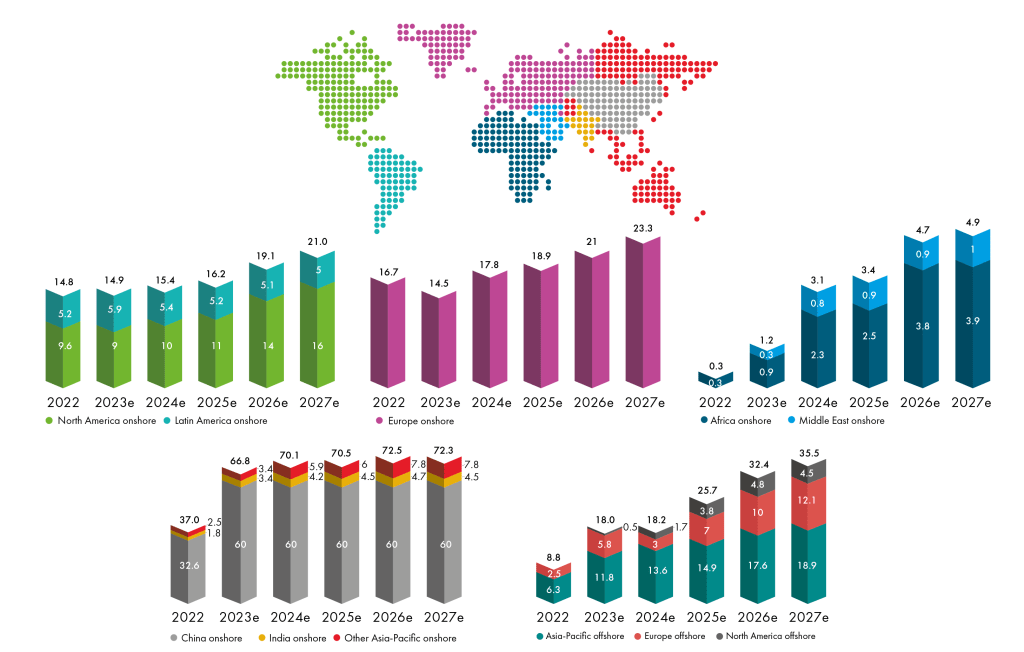
Poland is steadily shifting away from coal-dominated electricity generation, with renewable sources gaining prominence. In 2024, nearly one-third of the country’s electricity is projected to come from renewable sources. With an existing wind power capacity of 11 gigawatts, this new law could further strengthen Poland’s role in Europe’s renewable energy sector.
The legislation reflects Poland’s commitment to expanding clean energy infrastructure while addressing economic challenges. By simplifying wind farm development and offering community incentives, the government aims to accelerate the growth of renewable energy and ensure long-term energy security. The outcome of the Senate and presidential reviews will determine the law’s final implementation and its impact on Poland’s energy landscape.