Featured on the FAST-41 Permitting Dashboard, the project is a national priority, reflecting its strategic importance.
With its inclusion on the FAST-41 permitting dashboard, the Tonopah Flats project is now considered a national priority. The FAST-41 status streamlines the federal permitting process, enabling more efficient coordination among multiple federal agencies during project development.
ABTC Chief Executive Officer Ryan Melsert said: “We are excited by this selection of our Tonopah Flats lithium project as a FAST-41 critical mineral transparency project. As we are currently working through permitting efforts with multiple federal agencies for the construction of this domestic critical mineral project, the support to coordinate and fast-track these efforts is greatly appreciated.”
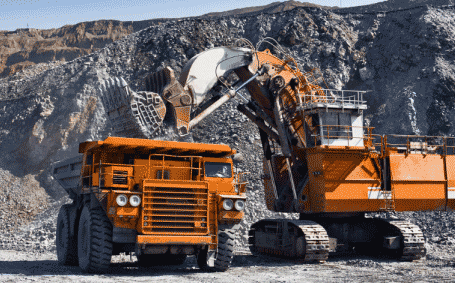
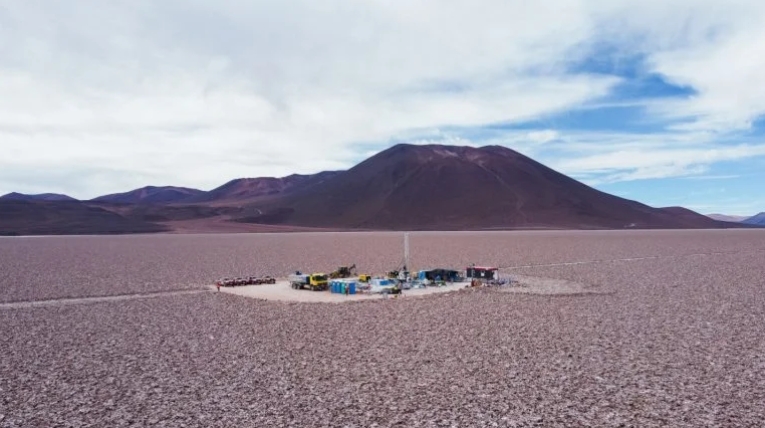
Tonopah Flats hosts one of the largest known claystone lithium deposits in the United States. The site is managed by the U.S. Department of the Interior and has already received a $58 million grant from the U.S. Department of Energy to support its initial construction phase. In addition, the Export-Import Bank of the United States has issued a letter of interest for $900 million in financing to support the development of the commercial-scale lithium mine and refinery.
ABTC’s work aligns with broader national initiatives such as Make More in America and the China and Transformational Export Program, which focus on strengthening U.S. competitiveness in critical mineral production. These programs are designed to encourage domestic manufacturing and reduce reliance on foreign sources.
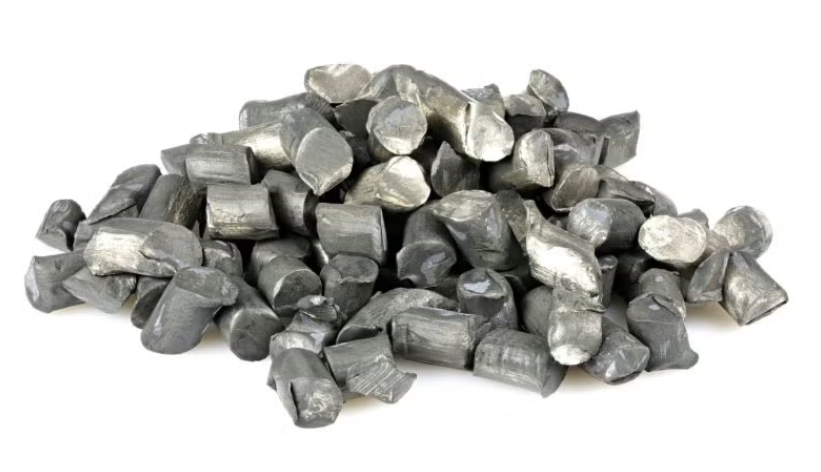
In compliance with Securities and Exchange Commission regulations, ABTC updated its resource assessment in April 2024, confirming Tonopah Flats as one of the largest lithium resources in the country. The company has also successfully produced battery-grade lithium hydroxide from Nevada claystone using its pilot facility.
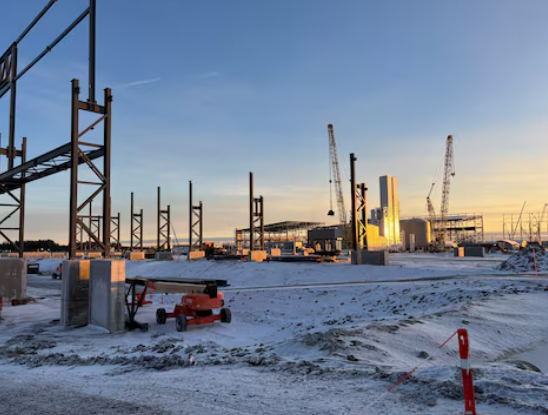
ABTC is now working with engineering firm Black & Veatch to scale up its operations with a goal of producing 30,000 tonnes of lithium hydroxide per year. This output will support the growing demand for lithium in sectors such as electric vehicles, energy storage, and defense technologies.
Unlike countries with abundant hard rock spodumene or lithium-rich brine sources, the U.S. has limited access to traditional lithium reserves. ABTC’s innovative, cost-effective extraction methods from claystone are seen as a significant step forward in domestic critical mineral development.
The company’s efforts aim to create a reliable, sustainable supply chain for lithium, contributing to national goals for energy resilience and technological advancement.