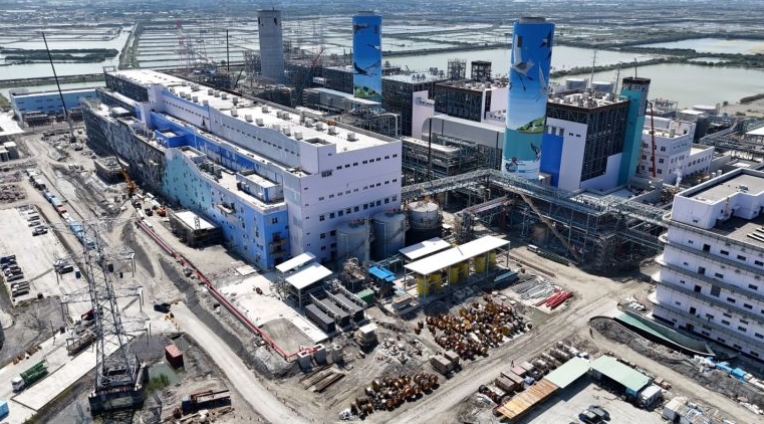
The Hsinta power plant’s additional two blocks are expected to begin operations in phases during 2025 and 2026.
This new unit is a step toward replacing older coal-fired units at the Hsinta site, aligning with Taiwan’s environmental objectives. The H-class blocks are designed to reduce emissions by 60% compared to the coal units they replace. The remaining two blocks of the Hsinta plant are scheduled to start operations in phases during 2025 and 2026, bringing the plant’s total capacity to 4 gigawatts, sufficient to power millions of Taiwanese homes.
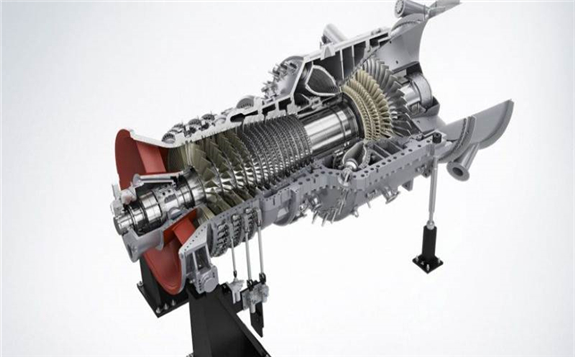
GE Vernova partnered with CTCI Corporation to design, build, and commission the first block. Each block includes two GE Vernova 7HA.03 gas turbines with H65 hydrogen-cooled generators, two heat recovery steam generators, one STF-D650 steam turbine with an H65 generator, and other critical components. The modular design simplifies construction and reduces costs, enabling efficient project completion. The 7HA.03 gas turbine can also use up to 50% hydrogen by volume when blended with natural gas, further lowering carbon emissions.
A GE Vernova representative stated: “Our collaboration with TPC NPCO and CTCI Corporation on the Hsinta power plant supports Taiwan’s energy transition while ensuring reliable power supply.” By 2026, GE Vernova’s gas power plants in Taiwan are expected to exceed 10 gigawatts in capacity, capable of powering approximately 23 million households.
In a related development, Uniper, a Germany-based energy provider, selected GE Vernova in June 2025 to upgrade three GT26 gas turbines at the Grain power station in Kent, UK. This project aims to improve efficiency and increase power output, contributing to Uniper’s sustainability goals. GE Vernova’s long-standing involvement in Taiwan’s energy sector, dating back to 1961, underscores its commitment to advancing reliable and cleaner energy solutions.
The Hsinta power plant’s first block enhances Taiwan’s energy infrastructure, promotes sustainable practices, and supports economic growth through dependable electricity supply.