Xiaomi SU7
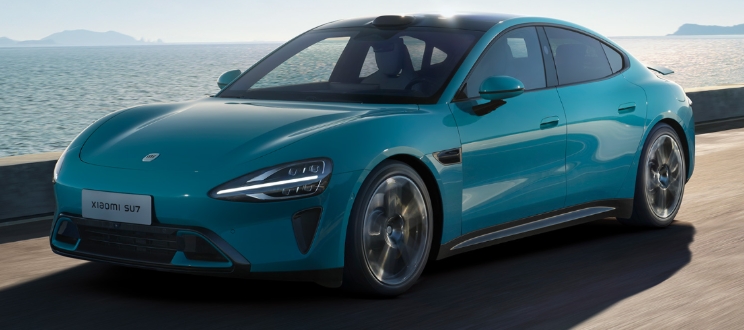
The network now covers 2,743 counties and districts and includes 6,856 highway service area stations, ensuring broad accessibility for EV users. Xiaomi’s SU7 model has achieved a compatibility rate exceeding 99% with third-party charging infrastructure, enhancing reliability for drivers. This milestone builds on an earlier update on April 28, 2025, when Xiaomi reported partnerships with 18 charging network operators, providing access to 1.26 million chargers, including 94,000 high-power superchargers and 970,000 DC fast chargers, spanning 2,691 counties.
Xiaomi has also collaborated with leading EV manufacturers NIO, XPENG, and Li Auto, adding over 14,000 NIO, 9,000 XPENG, and 6,000 Li Auto charging piles to its charging map. These integrations provide real-time charger data, though functionality varies: select Li Auto chargers support Xiaomi app scanning, while XPENG chargers offer plug-and-charge capabilities.
In March 2024, Xiaomi founder and CEO Lei Jun announced the deployment of 600kW liquid-cooled superchargers in cities such as Beijing, Shanghai, and Hangzhou. However, in August 2024, Lei Jun stated: “While we have established several charging stations, widespread construction is not currently planned, as the existing public infrastructure meets current needs.” This reflects Xiaomi’s focus on leveraging existing networks rather than extensive proprietary development.
In addition to public charging, Xiaomi provides home chargers with plug-and-charge functionality and over-the-air upgrades, further enhancing convenience for SU7 owners. These efforts demonstrate Xiaomi’s commitment to improving charging accessibility and user experience without large-scale infrastructure investment.
The partnerships with NIO, XPENG, and Li Auto, combined with third-party operator collaborations, position Xiaomi EV to meet the growing demand for convenient and reliable charging solutions. By prioritizing compatibility and integration, Xiaomi supports the increasing adoption of electric vehicles across the Chinese Mainland, ensuring drivers have access to a robust and efficient charging network.