The collaboration will focus on feasibility studies covering site evaluations, reprocessing of Lithuania’s existing nuclear fuel, industrial applications such as hydrogen and ammonia production, and the development of local nuclear supply chains. The initiative seeks to integrate small modular reactors (SMRs) into Lithuania’s renewable-focused energy system to enhance grid stability and support decarbonization goals.
Newcleo’s technology, which uses mixed uranium/plutonium oxide fuel derived from spent nuclear fuel, builds on a recent joint venture with Slovakia’s JAVYS to construct up to four reactors at the Bohunice site. The company aims to apply this model in regions with legacy nuclear fuel, promoting sustainable waste management and energy reliability.
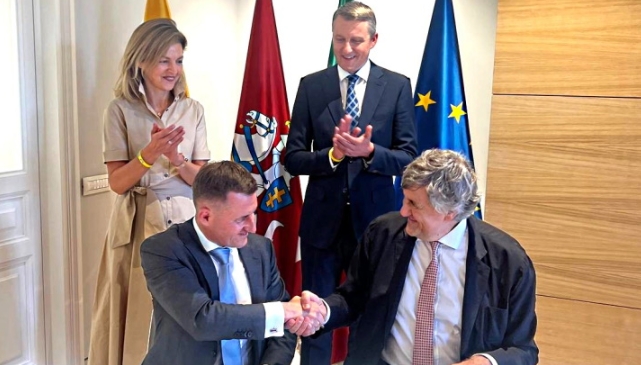
Stefano Buono, Newcleo’s CEO, stated: “This agreement marks another step in our aim to deliver sustainable solutions for waste and in delivering energy security across Europe. I’m delighted that Lithuania, a country with a strong nuclear energy background is open to the model we can provide, and I thank Minister Vai?iūnas for his engagement and vision. This agreement could mark the first step in Lithuania unlocking potentially decades worth of sustainable energy from its legacy spent fuel and, like our partnership in Slovakia, showcases the power of European collaboration in the nuclear sector.”
Ignalina NPP CEO Linas Bau?ys said: “This memorandum of understanding represents an important step in exploring innovative solutions for managing Lithuania’s nuclear legacy. By working with Newcleo, we are looking at the future of nuclear technology - one that is safer, more sustainable, and capable of unlocking long-term energy value from existing resources. This cooperation also reflects our strategic commitment to strengthening Lithuania’s energy security and independence, developing local expertise, and contributing to European technological leadership in advanced nuclear solutions.”
Lithuanian Energy Minister ?ygimantas Vai?iūnas added: “The Ignalina nuclear power plant has been a strategic pillar of the Lithuanian energy system for many years, along with the high competence of nuclear energy specialists, which is now used only for the decommissioning activities of the INPP. We aim not only to preserve this competence, but also to use it for the development of advanced nuclear technologies.”
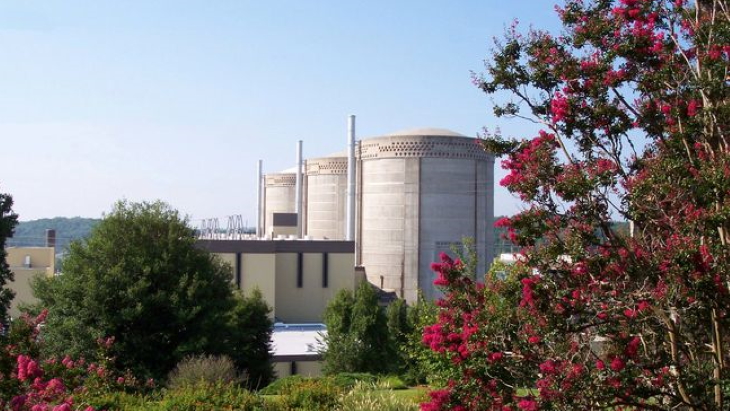
The Ignalina plant, which once supplied 70% of Lithuania’s electricity via two RBMK reactors until their closure in 2004 and 2009, is undergoing decommissioning until 2038. The Lithuanian government recently formed a working group to explore nuclear energy opportunities, with SMRs as a potential option, aligning with the 2024 National Energy Independence Strategy targeting SMR deployment by 2038.