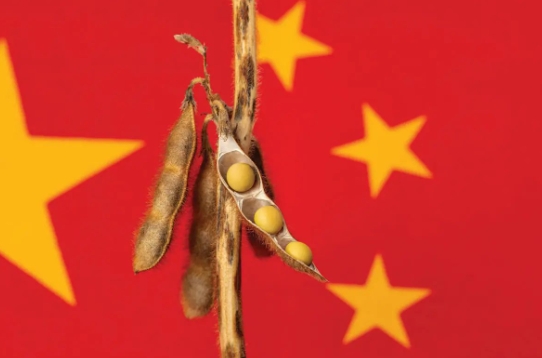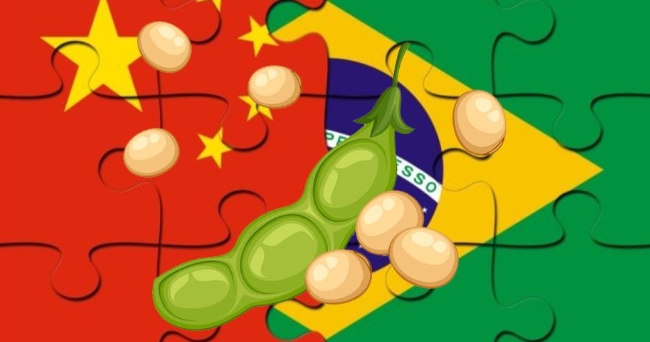
From January to June 2025, Brazil exported 64.9 million tons of soybeans, a slight rise of 0.8 million tons compared to the same period in 2024. Of this total, 75%, or 48.4 million tons, was shipped to China, up from 46.3 million tons (72%) the previous year. In May 2025, Brazil achieved a record by delivering the highest monthly volume of soybeans to China. The share of exports to China is expected to rise to 85% in the second half of 2025, potentially reaching 64.95 million tons for the year.
The increase in exports is driven by an expansion of Brazil’s soybean cultivation area. The Foreign Agricultural Service (FAS) of the United States Department of Agriculture forecasts that soybean crops will cover 49.1 million hectares in the 2025/26 season, a 3% increase from the prior year. Additionally, domestic soybean processing is expected to reach 58 million tons, fueled by demand for soybean meal in animal feed and soybean oil for biodiesel production, supported by Brazil’s B15 mandate, which will take effect in 2025–2026.
Brazilian soybeans maintain a competitive edge due to their high quality, productivity, and relatively low environmental footprint. Despite potential competition from other suppliers, such as the United States, Brazilian exporters benefit from a favorable price-quality balance and advantageous exchange rates. Analysts anticipate that China will continue to dominate global soybean imports, with Brazil as a key supplier meeting this demand.
The robust export forecast highlights Brazil’s critical role in global agricultural markets. The expansion of cultivated land and increased domestic processing capacity demonstrate the country’s ability to meet both international and domestic needs while supporting sustainable practices. As China’s demand for soybeans grows, Brazil’s strategic position ensures a steady supply, contributing significantly to global food and energy security.