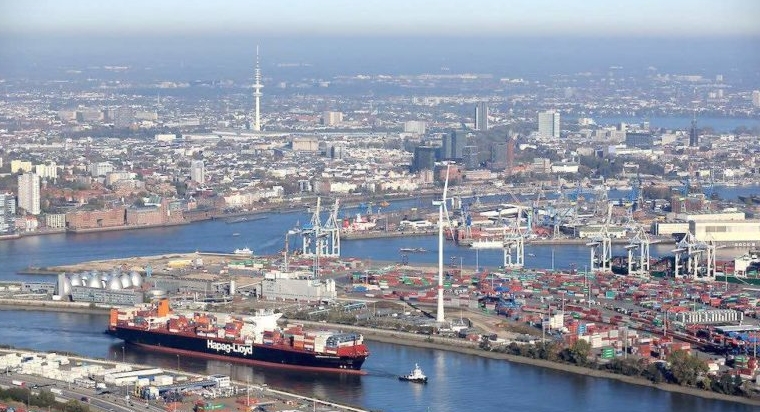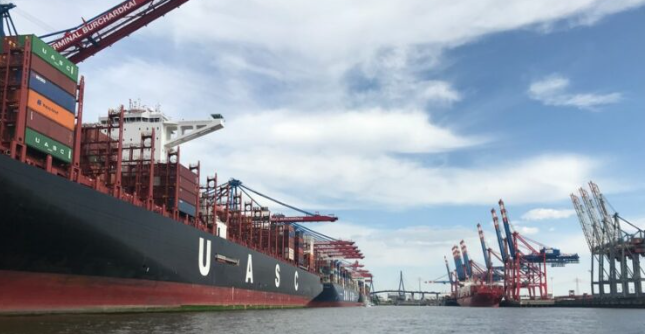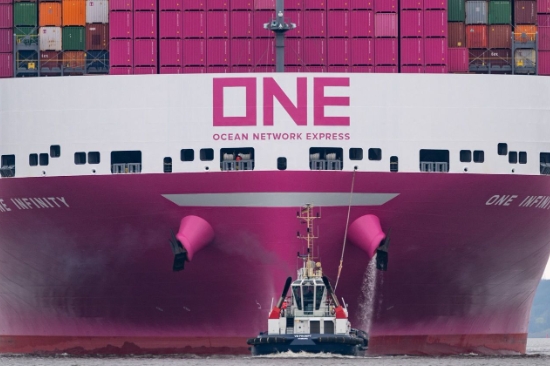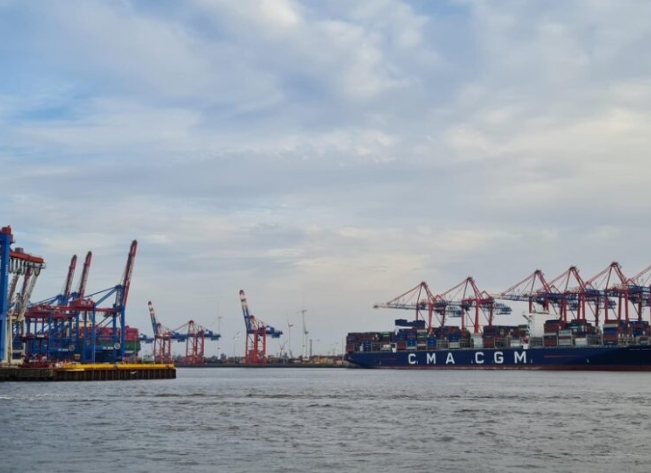
Handling 90% of Hamburg’s largest container vessels, the Waltershofer Hafen’s turning basin will expand from 480 meters to 600 meters, improving navigation safety and efficiency. New berths and automated, electrified processes will boost throughput and reduce emissions, supporting decarbonization efforts along the River Elbe.
Public funds will cover part of the costs, while Eurogate will invest €700 million to expand its terminal, operational two years after land handover. Melanie Leonhard, Hamburg’s Minister for Economic Affairs, said: “We are laying the groundwork to ensure that Hamburg is well prepared to meet the challenges of tomorrow. This infrastructure will help ensure that large vessels will be handled reliably and efficiently in the Port of Hamburg.”
Jens Meier, CEO of HPA, stated: “This project will enhance the performance of the Port of Hamburg and represents a vital investment in its long-term competitiveness. In doing so, we are also laying the groundwork for the next steps towards a climate-neutral port.” Tom Eckelmann, Eurogate’s Chairman, added: “The urgently needed expansion of the turning basin, along with the enlargement and modernisation of throughput facilities, are key decisions that will help secure a positive future for the Port of Hamburg.”
Leased to Eurogate, the new terminal areas will integrate with transport networks, using electric, autonomous vehicles to support climate neutrality by 2040. Construction includes excavating soil near Petroleumhafen and infilling the port basin after sealing it. Approved by authorities, the project awaits European Commission funding approval by 2026.
Germany also allocated €400 million to support climate-neutral shipping, funding shore power, alternative fuel facilities, and sustainable shipping corridors, aligning with national maritime strategies.