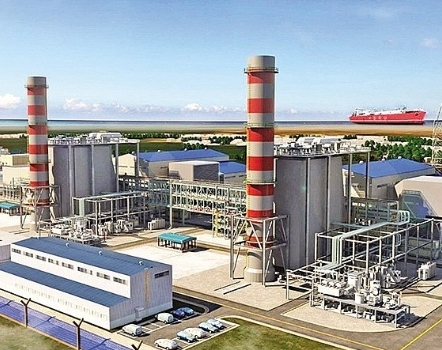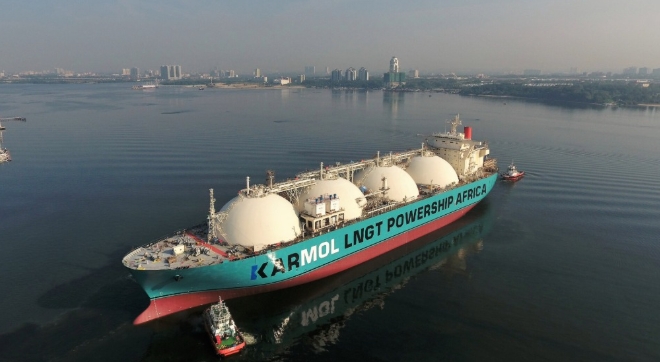
The project introduces an innovative approach to power generation in regions lacking natural gas infrastructure. Karpowership’s Country Manager, Ayman Bouderbela, highlighted the successful ship-to-ship LNG transfer between LNGT Africa and a supply vessel, a key milestone enabling the subsequent power generation. The FSRU, developed by Sembcorp Marine (now Seatrium) in Singapore, measures 272 meters and has a 125,000-cubic-meter capacity. Owned by Karmol, a joint venture between Karpowership and Mitsui OSK Lines, it arrived in Senegalese waters in May 2021.
The Karadeniz Powership Ay?egül Sultan, operational since October 2019, has a 235MW capacity and currently supplies 220MW, meeting 15% of Senegal’s electricity demand. Karpowership has since increased its capacity to 335MW, covering 25% of the nation’s needs through its power barges at the Port of Dakar. In 2022, Karmol secured $71 million in funding from Japan Bank for International Cooperation and MUFG Bank to support the FSRU’s operations.
This initiative aligns with Senegal’s Emerging Senegal Plan, launched in 2018, which aims to reduce electricity costs and advance the national energy transition through cleaner energy sources. The use of LNG for power generation marks a significant step in diversifying Senegal’s energy mix, following the country’s first offshore oil production at Woodside’s Sangomar development in 2024 and LNG production from the BP-led Greater Tortue Ahmeyim Phase 1 project in February 2025, developed jointly with Mauritania.
Ayman Bouderbela stated: “The successful completion of the ship-to-ship LNG transfer and subsequent power generation is a groundbreaking achievement for Senegal’s energy sector.” The project enhances energy reliability and supports Senegal’s growing electricity needs while prioritizing sustainable energy solutions.
By integrating FSRUs and powerships, Karpowership provides a scalable model for LNG-based power generation. This collaboration with Senelec strengthens Senegal’s energy infrastructure, contributing to economic development and energy security in the region. The project underscores Senegal’s commitment to leveraging innovative technologies to meet its energy demands sustainably.