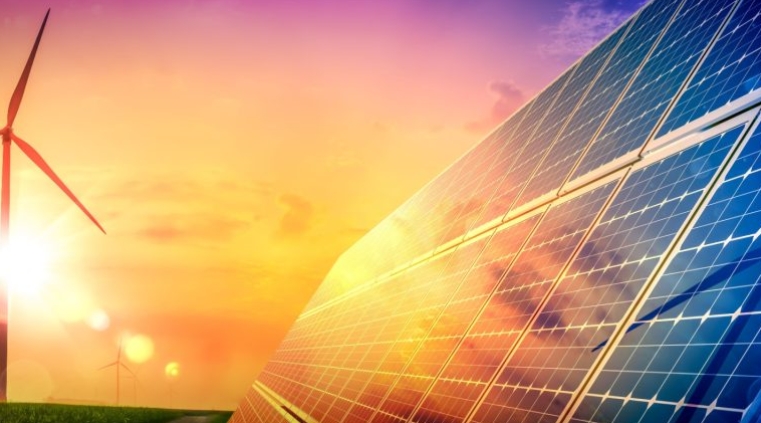
Investments since 2010 have catalysed rapid development across clean energy production.
Since 2019, California has added 25,000MW of clean energy capacity to its grid, with solar and battery storage leading the expansion. This aligns with Governor Newsom’s goal to integrate 148GW of new clean power by 2045. Investments since 2010 have driven rapid growth in clean energy, reducing greenhouse gas emissions by 20% since 2000 while the state’s economic output grew by nearly 78%.
Governor Newsom stated: “California is making our clean energy future a reality. The world’s fourth-largest economy is running on two-thirds clean power – the largest economy on the planet to achieve this milestone. And for the first time ever, clean energy provided 100% of the state’s power nearly every day this year for some part of the day. Not since the Industrial Revolution have we seen this kind of rapid transformation.”
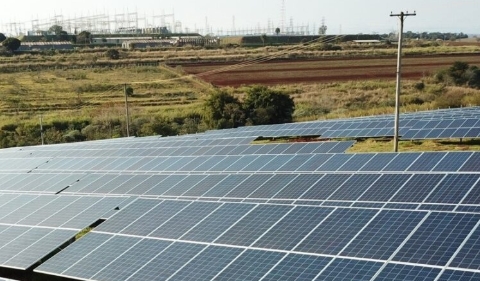
In 2024, California added 7,000MW of clean energy capacity, marking the state’s largest single-year increase and sustaining three years of consistent growth. Solar power dominates, with a peak output exceeding 21,500MW in late May 2025. The state’s battery storage capacity, now over 15GW, stores surplus solar energy generated during the day for use in the evening, enhancing grid reliability.
David Hochschild, chair of the California Energy Commission, said: “California has achieved yet another major milestone on our journey to a clean energy future. The latest numbers show how our state is demonstrating that clean energy is mainstream and is here to stay.” These advancements underscore California’s leadership in transitioning to sustainable energy systems.
The state also leads the U.S. in clean energy employment, supporting over half a million jobs, particularly in solar, wind, battery storage, and grid modernization. These efforts contribute to both environmental sustainability and economic growth, positioning California as a model for clean energy adoption.
California’s progress reflects a commitment to integrating renewable energy while maintaining economic vitality. The expansion of solar and storage infrastructure, coupled with significant job creation, supports the state’s long-term vision of a sustainable energy future, with ongoing investments paving the way for further advancements by 2045.