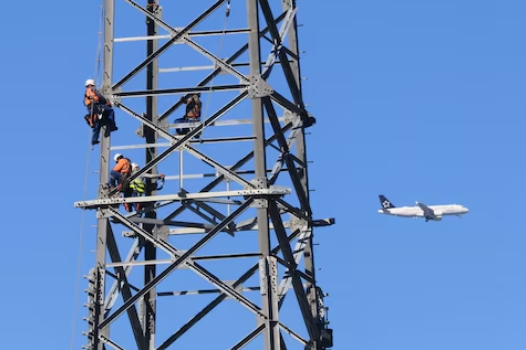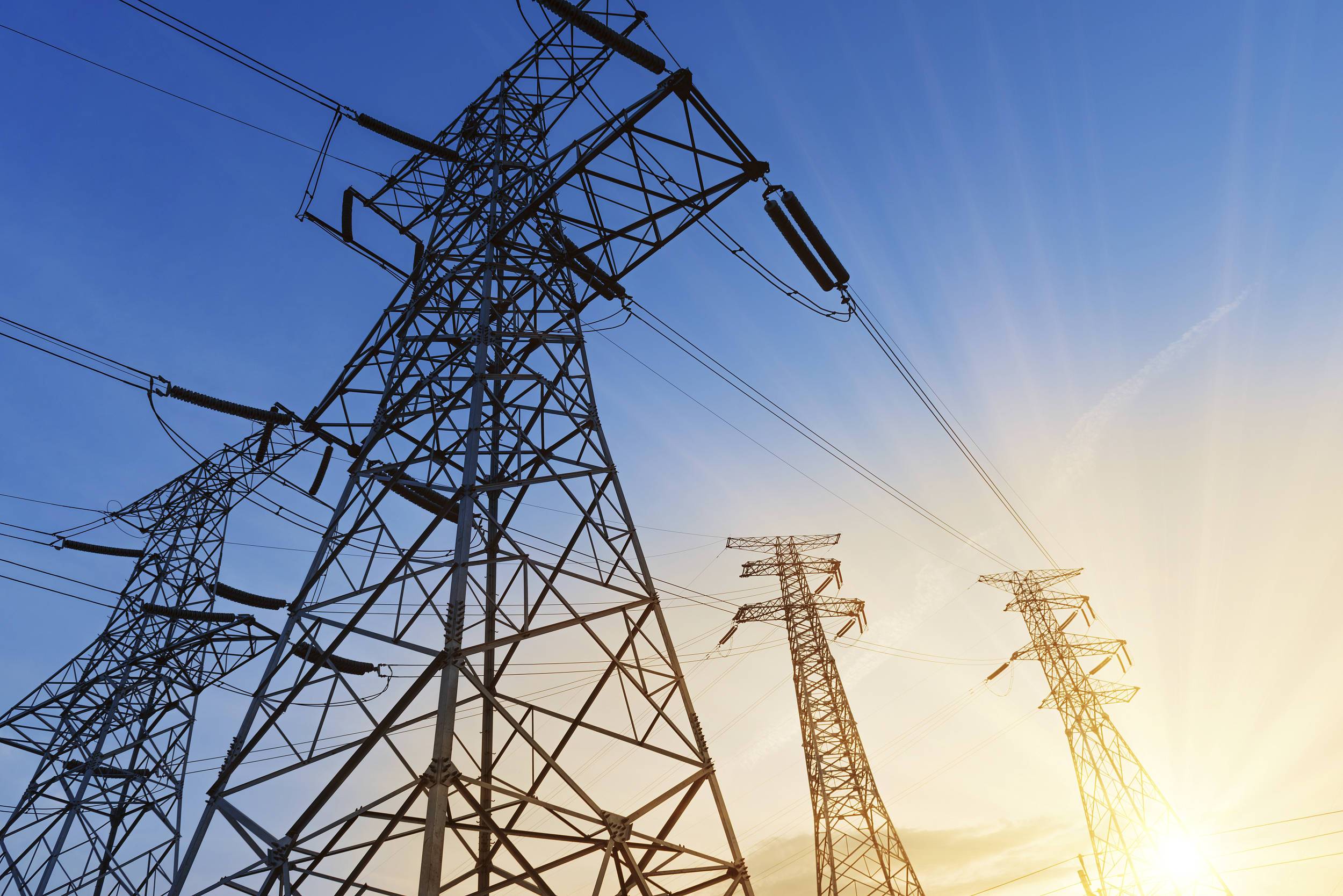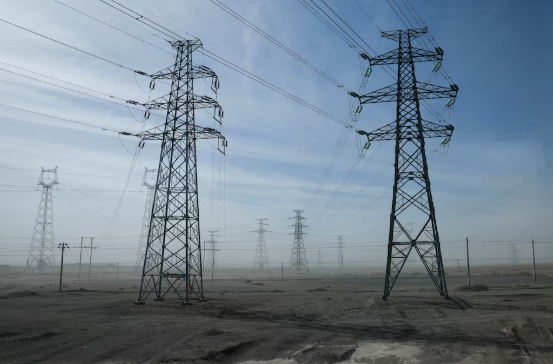
A general view of electricity pylons during an organised media tour in Jiuquan, Gansu province, China October 17, 2024.
Over the past two days, eight weather stations across northwest and southwest China recorded their highest-ever temperatures, driven by a subtropical high-pressure system, state media reported on Thursday, citing national weather authorities. The National Energy Administration noted a "record high" in the country’s electrical load on Wednesday, marking the third such peak this month. This surge represents a 55 million kilowatt increase over last year’s maximum, with 36 provincial records broken since the start of summer.
Chim Lee, a senior energy and climate specialist at the Economist Intelligence Unit, commented: "The power system is holding up so far." However, he cautioned: "But the real test will come as the summer wears on, and there are still risks of potential power rationing." In June, solar energy contributed significantly to meeting the increased demand, accounting for half of the month’s power generation surge. Hydropower output also rose compared to 2023, though it remained below 2022 levels.
The heatwave has impacted various sectors, including agriculture, manufacturing, and port operations, while placing additional pressure on healthcare systems. In Jiangxi province, the average number of days with temperatures exceeding 28°C (82.4°F) has risen to 21.7 annually over the past decade, compared to five to seven days at the century’s start, according to state media. To cope, residents have adopted traditional practices, such as sleeping with wax gourds to reduce body heat, as highlighted in a recent state broadcaster CCTV blog post. In Chongqing, zoo animals were provided with iced watermelons on Wednesday to help them endure the heat, as reported by Xinhua.
Relief may be on the horizon. Weather forecasts indicate that temperatures could begin to ease from Monday, as a tropical depression east of the Philippines may develop into a tropical storm, potentially named Wipha, and move toward southern China via Taiwan. However, the subtropical high-pressure system could delay this relief, maintaining high demand for air conditioning and further testing the resilience of the power grid.