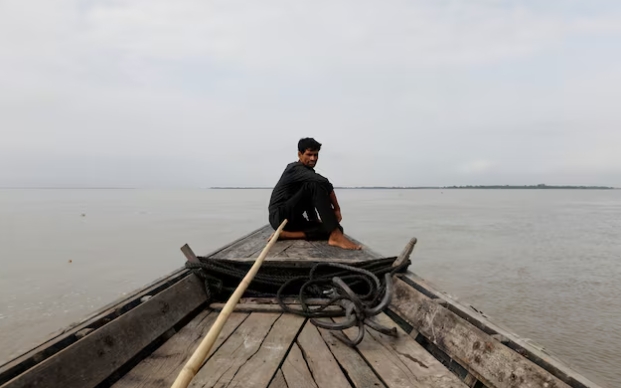
A man sits in a boat on the waters of the Brahmaputra river near the international border between India and Bangladesh in Dhubri district, in the northeastern state of Assam, India August 4, 2018.
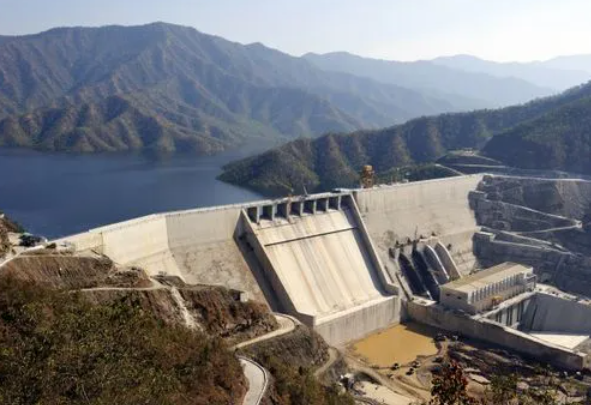
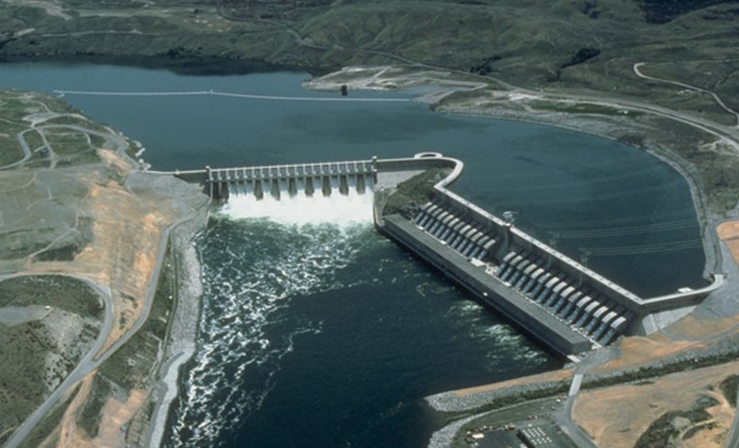
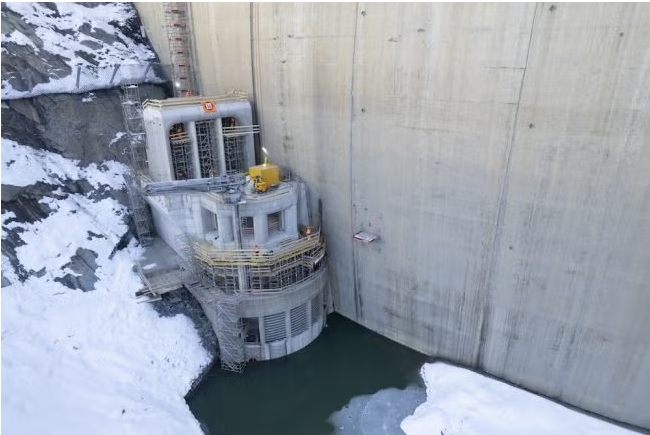
The dam, comprising five cascade hydropower stations, is designed to generate 300 billion kilowatt-hours of electricity annually, equivalent to the electricity consumption of a major industrialized nation. The river’s steep 2,000-meter drop over a 50-kilometer stretch provides substantial hydropower potential. Operations are expected to commence in the 2030s.
Chinese authorities stated that the dam will address growing energy demands in Tibet and other regions of China while prioritizing ecological conservation. Premier Li emphasized: “Special emphasis must be placed on ecological conservation to prevent environmental damage.” The project is managed by the newly established state-owned China Yajiang Group.
The announcement spurred positive market reactions on Monday, with China’s CSI Construction & Engineering Index rising by up to 4% to a seven-month high. Shares of companies such as Power Construction Corporation of China and Arcplus Group PLC surged by their 10% daily limit. Additionally, stocks of firms like Hunan Wuxin Tunnel Intelligent Equipment Co and Geokang Technologies Co Ltd, which supply construction and monitoring equipment, climbed 30%. Cement and explosive material producers, including Xizang Tianlu Co Ltd and Tibet GaoZheng Explosive Co, also saw gains of 10%.
Analysts noted the project’s potential to stimulate demand for construction materials like cement and civil explosives. Huatai Securities highlighted in a client note: “The project will drive demand for construction and building materials.” Wang Zhuo, a partner at Shanghai Zhuozhu Investment Management, remarked: “From an investment perspective, mature hydropower projects offer bond-like dividends,” while advising caution against speculative stock purchases.
The dam is viewed as a significant public investment to support economic growth. Citi estimated that, over a 10-year construction period, the project could contribute approximately 120 billion yuan ($16.7 billion) annually to GDP, with broader economic benefits possible. The number of jobs the project might create remains unspecified, though the Three Gorges Dam, a comparable project, generated nearly a million jobs but displaced a similar number of people. Details on potential displacement for this project have not been disclosed.
Concerns have been raised by India and Bangladesh regarding the dam’s potential impact on downstream water supplies and communities. Environmental organizations have also expressed worries about effects on the Tibetan Plateau’s diverse ecosystem. Chinese officials maintain that the project will have minimal impact on downstream water flows and the environment.