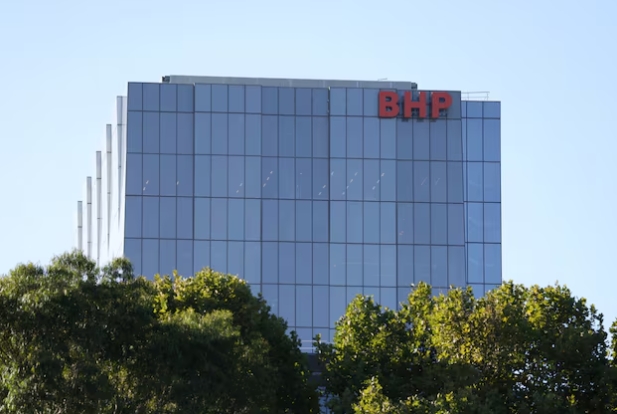
A view shows the BHP Limited logo at their headquarters in Melbourne, Australia, March 24, 2025.
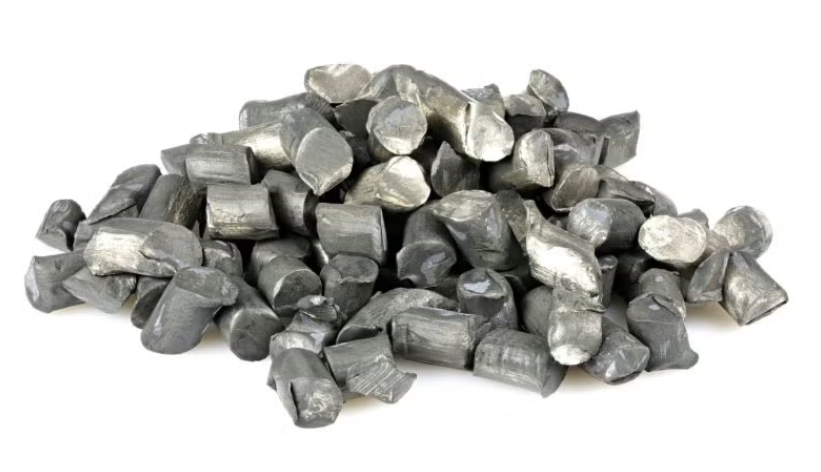
The Kabanga Nickel Project, with estimated development costs of $2.49 billion, is projected to produce approximately 50,000 metric tons of nickel annually once fully operational, a process expected to take six years, including construction. A final investment decision is scheduled for next year. Lifezone has also assumed complete control of the project’s offtake, and all prior agreements with BHP have been terminated.
In 2022, BHP committed up to $100 million to the project, contingent on meeting specific conditions. Despite the sale, a source familiar with the matter stated: “BHP still considers Kabanga to be one of the world’s best undeveloped nickel sulphide projects.” However, challenges in the nickel market and BHP’s capital allocation priorities have made new nickel investments less viable. A BHP spokesperson declined to comment.
Recent increases in nickel supply from Indonesia have influenced BHP’s strategy, leading the company to place its Australian Nickel West operations on care and maintenance last year due to unfavorable nickel price projections. A decision on the future of those operations is expected by early 2027.
The Kabanga project is a significant step for Lifezone, enhancing its control over a major nickel resource in Tanzania. The company aims to advance the project to meet global demand for nickel, a key material in various industries.