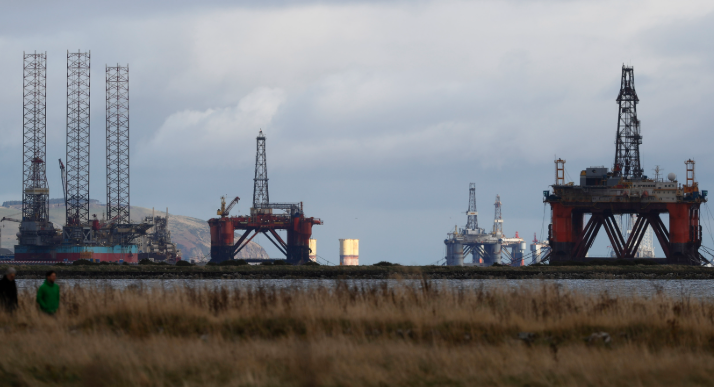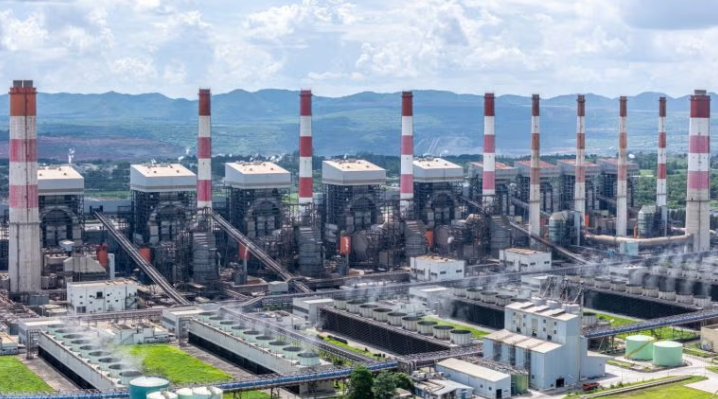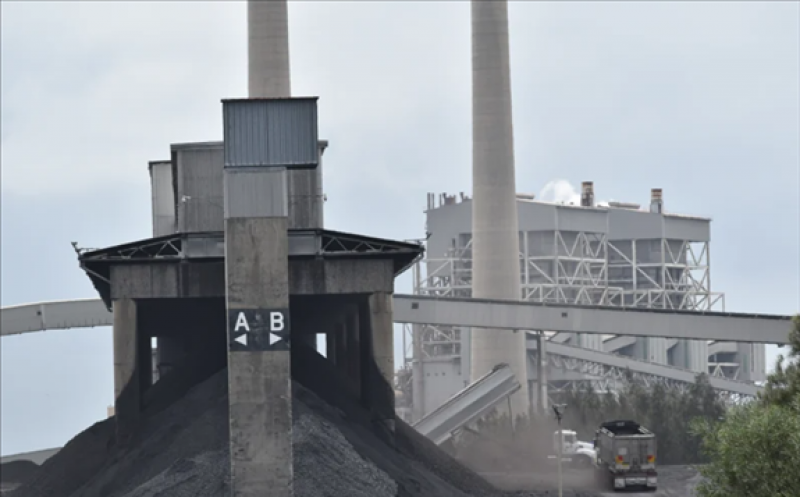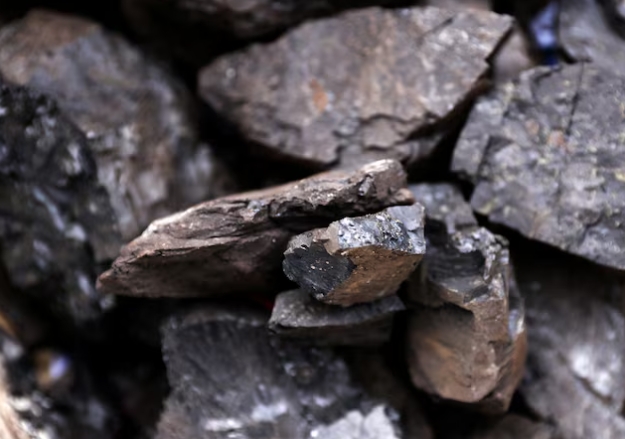
Coal is seen in this illustration, August 10, 2022.
In Peninsular Malaysia, which accounts for approximately 80% of the nation’s power demand, coal-fired power output rose by nearly 9% in May and June, outpacing the 3% growth in overall power demand, according to Malaysia’s Grid System Operator (GSO). The trend continued with a 16.8% increase in coal-fired output in the first half of July, while power demand grew by 5.2%. Coal’s share of power generation reached nearly 60% in the first half of 2025, the highest since the COVID-19 pandemic, while gas-fired power’s share declined to its lowest level since the economic slowdown.
Kesher Sumeet, an LNG analyst at Energy Aspects, noted: “Low coal prices, coupled with regulated and capped power prices in Malaysia, have discouraged gas-fired generation this year.” Gas-fired power output has decreased for ten consecutive months through June, averaging an 11.3% monthly decline, with a 15.3% drop in the first half of July.
Despite its long-term commitment to increasing gas-fueled and renewable energy capacity, Malaysia is relying on coal in the short and medium term due to its cost-effectiveness. Raksit Pattanapitoon, an analyst at Rystad Energy, stated: “The tipping point will be when solar penetration into Malaysia’s grid is sufficient to force inflexible, baseload coal to shut down during daytime, but Rystad Energy does not expect this to happen on a regular basis until the 2030s.” Coal remains nearly 40% cheaper than alternative fuels, supporting its continued use.
Malaysia plans to expand gas-fired capacity by 50% and more than double renewable energy capacity by 2030 to reduce coal dependency and meet rising demand, particularly from data centers, which are projected to account for 52% of peninsular power demand by 2030, up from 2% currently. State-run utility Tenaga Nasional Bhd reported that power demand dipped in the first quarter due to lower residential consumption but is expected to grow by up to 4.5% this year.
The country’s increasing reliance on coal imports reflects its response to immediate energy needs while balancing long-term sustainability goals. Malaysia continues to navigate its energy strategy amid global fuel market dynamics and domestic demand pressures.