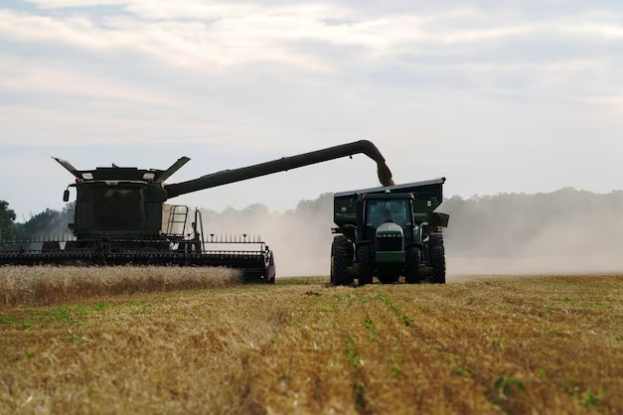
Chad Ward harvests winter wheat in a John Deere combine near Skedee, Oklahoma, U.S. June 13, 2024.
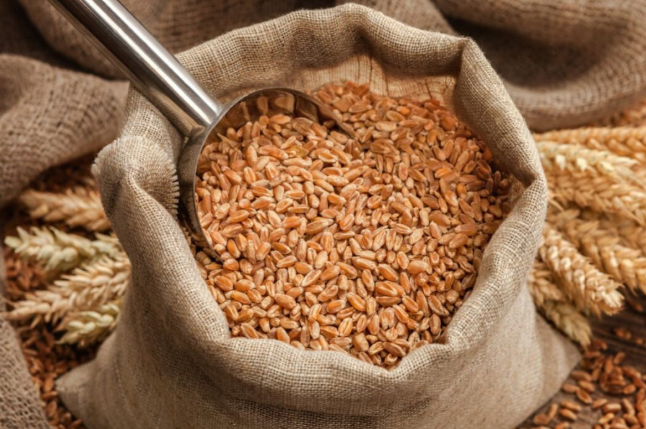
Ali Imam Majumder, Bangladesh’s de facto food minister, highlighted the deal’s significance during the signing ceremony: “This step reflects our willingness to build mutual trust and deepen economic cooperation with the United States.” The agreement is expected to provide competitively priced wheat, supporting Bangladesh’s food security needs.
The deal comes as Bangladesh faces a 35% tariff on its exports to the U.S., set to take effect on August 1. This tariff increase has raised concerns in Bangladesh’s export sector, particularly the garment industry, which is a major contributor to shipments to the U.S. market. Officials in Dhaka hope the wheat import agreement will help reduce the country’s $6 billion trade deficit with the U.S. and encourage more favorable trade terms, especially for key exports like ready-made garments.
Bangladesh’s Ministry of Commerce is actively engaging with U.S. counterparts to negotiate a reduction in the impending tariff, emphasizing that high duties could affect the competitiveness of Bangladeshi products in the American market. The wheat deal is viewed as a strategic move to support these discussions and promote balanced trade relations.
Bangladesh imports approximately 7 million tonnes of wheat annually, primarily from the Black Sea region due to cost advantages. Smaller quantities of premium wheat, including from the U.S., are imported for blending purposes. The new agreement ensures a consistent supply from the U.S., diversifying sources and reinforcing trade ties.
This initiative reflects Bangladesh’s efforts to address rising trade challenges while securing essential food supplies. By committing to significant wheat imports, the country aims to stabilize its trade dynamics with the U.S. and maintain access to a key global market for its exports.