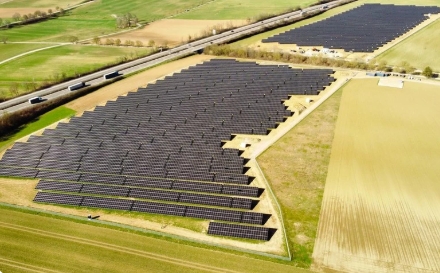
Sunset on Frankfurt, Germany
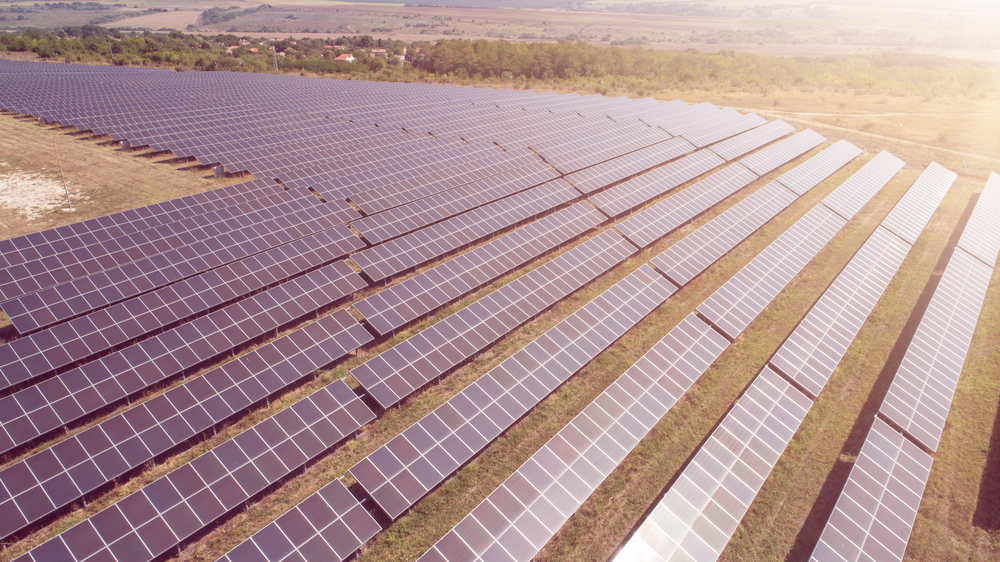
Rooftop systems contributed 439 MW to the June total, while ground-mounted projects accounted for 319 MW. The remaining capacity came from other system types, such as balcony PV installations. In the first half of 2025, Germany’s cumulative PV installations reached approximately 7.1 gigawatts (GW), down from about 8 GW in the same period of 2024. The strongest growth occurred early in the year, with over 3.23 GW connected to the grid in January and February.
The introduction of the Solar Peak Act in March 2025 has impacted the sector by removing compensation for PV system operators during hours of negative spot market electricity prices. The Bundesnetzagentur reported 389 such hours in the first half of 2025, affecting the financial incentives for solar energy producers. Despite this, Germany’s total installed PV capacity has reached 107.37 GW, a significant milestone in its renewable energy expansion.
The growth in solar capacity underscores Germany’s commitment to sustainable energy, with rooftop and ground-mounted systems playing key roles in meeting national targets. Klaus Müller, president of the Bundesnetzagentur, noted: “The remarkable growth of photovoltaics continues.” This reflects the ongoing momentum in solar deployment, even as challenges like grid integration and market pricing persist.
The country aims to achieve 215 GW of solar capacity by 2030, supported by policies promoting renewable energy adoption. The slight decline in installations compared to 2024 highlights the need for continued investment in grid infrastructure and storage solutions to maximize solar energy utilization. Germany’s solar sector remains a cornerstone of its energy transition, contributing to reduced reliance on fossil fuels and enhanced energy sustainability.