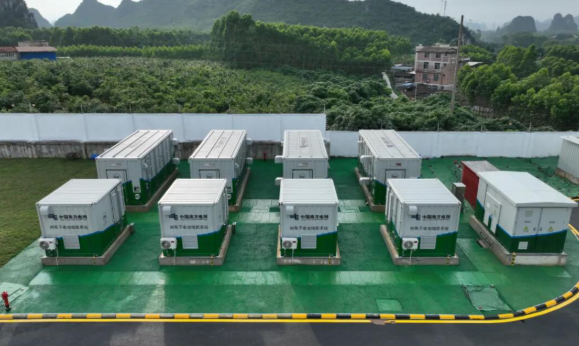
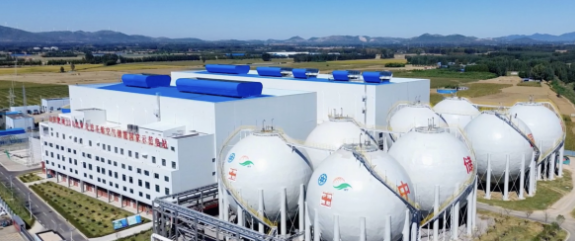
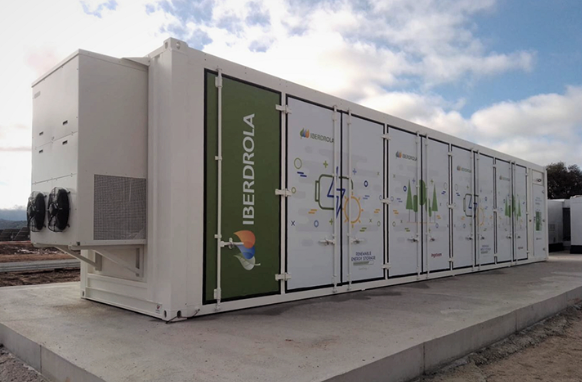
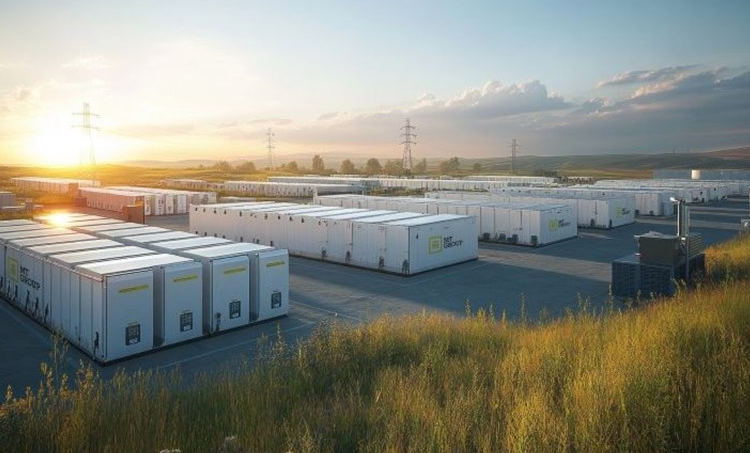
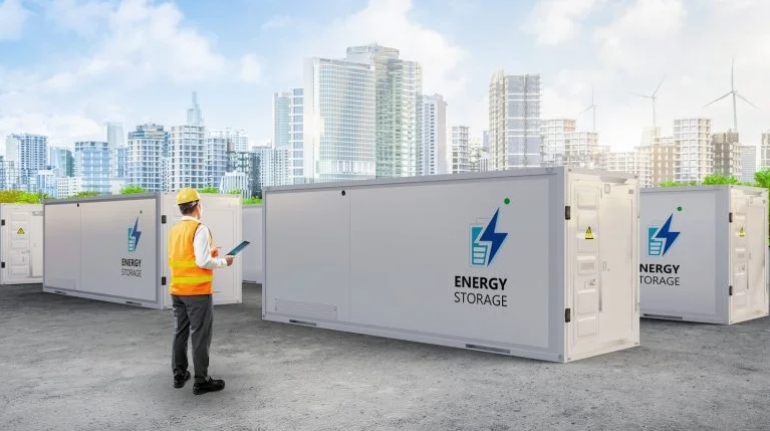
This battery energy system will be installed at the 220kV substation in Kerala.
The system will be installed at a 220kV substation in Kerala, supporting the Kerala State Electricity Board by managing peak power demand, enhancing grid stability, and facilitating renewable energy integration. The project aligns with India’s target of achieving 500GW of non-fossil fuel capacity by 2030. NHPC’s initiative includes developing 125MW/500MWh of standalone battery storage in Kerala, backed by tariff-based bidding and Viability Gap Funding.
A TPREL spokesperson stated: “This project will be instrumental in managing peak power demand, improving grid flexibility and facilitating the smooth integration of renewable energy sources in Kerala.” The BESS is slated for commissioning by October 2026, with a 12-year operational period as per Union Ministry of Power guidelines.
Beyond Kerala, TPREL operates a 100MW solar photovoltaic plant with a 120MWh storage facility in Rajnandgaon, Chhattisgarh, developed through a contract with the Solar Energy Corporation of India. TPREL’s renewable portfolio now stands at 10.9GW, comprising 4.6GW of operational solar, 1GW of wind, and 5.3GW under development.
Additionally, TPREL partnered with Tata Motors to develop a 131MW wind-solar hybrid project, expected to produce 300 million units of clean electricity annually. This supports Tata Motors’ goal of achieving net-zero emissions, focusing on sustainable energy consumption without affecting import or export dynamics.
The Kerala BESS project bolsters TPREL’s contribution to India’s renewable energy goals, promoting grid reliability and clean energy adoption. By expanding its storage and renewable capacity, TPREL addresses rising energy demands while supporting sustainable development in India’s energy sector.