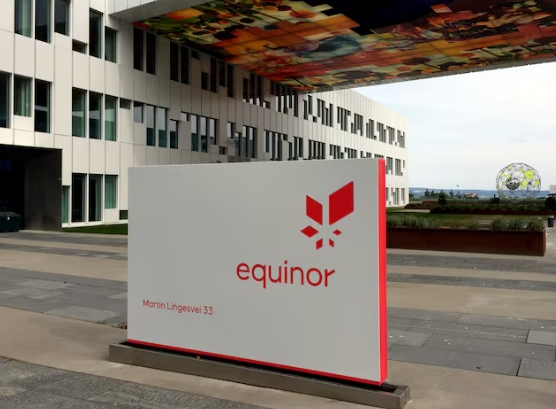
A logo of Equinor, formerly known as Statoil, is seen at the company's headquarters in Fornebu, Norway May 21, 2018. Picture taken May 21, 2018.
On July 23, 2025, Equinor reported a $955 million impairment on its U.S. offshore wind initiatives, as detailed in a company statement. The financial adjustment was primarily due to regulatory changes affecting future project synergies and increased tariff exposure. “This is impacted by an impairment of $955 million due to regulatory changes causing loss of synergies from future offshore wind projects and increased exposure to tariffs,” Equinor stated. Of this amount, $763 million was attributed to the Empire Wind 1 project and the South Brooklyn Marine Terminal, with the remaining portion linked to the Empire Wind 2 lease.
Equinor, a majority state-owned Norwegian energy company, secured the federal lease for Empire Wind in 2017 and obtained investment approval in 2023. Despite a January 2025 executive order initiating a review of offshore wind permitting, many analysts initially believed fully permitted projects like Empire Wind would proceed without significant issues. However, the regulatory shifts led to a reported book value of $2.3 billion for the project after the impairment, as announced on July 23, 2025.
The Empire Wind project, with a planned capacity of 810 megawatts, is designed to generate electricity for approximately 500,000 homes annually. Located 15-30 miles southeast of Long Island, it is expected to begin operations in 2027. The project includes the redevelopment of the South Brooklyn Marine Terminal as a key offshore wind hub, supporting construction and long-term operations.
Equinor’s second-quarter financial results, released on July 23, 2025, reflected a decline in net operating income, driven by the impairment and lower oil prices. Despite these challenges, the company remains committed to advancing the Empire Wind project, emphasizing its role in supporting renewable energy development and local economic growth in New York.