Prices of lithium have plummeted by nearly 90% over the past two years, primarily due to oversupply.
The MMCZ noted a market anomaly: “A notable market contradiction was observed in the lithium sector, where prices declined despite a continuous rise in demand for lithium metal.” Despite the price drop, optimism persists among producers due to the global shift toward clean energy and electric vehicles, with expectations of price recovery in the medium term. Zimbabwe’s lithium sector continues to attract significant investment, particularly from Chinese companies, including Zhejiang Huayou Cobalt, Sinomine, Chengxin Lithium Group, Yahua Group, and Tsingshan. These firms have invested over $1.4 billion since 2021 to acquire and develop lithium assets in the country.
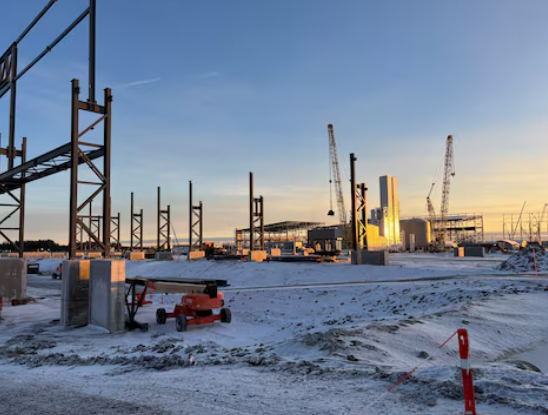
In June 2025, plans were announced to ban lithium concentrate exports starting in 2027 to promote local processing. To support this shift, Zhejiang Huayou Cobalt, which exported 400,000 tonnes of lithium concentrate in 2024, has begun constructing a lithium sulphate plant in Zimbabwe with an annual capacity of 50,000 tonnes. Similarly, Sinomine plans to invest $500 million in a lithium sulphate facility at its Bikita mine. Lithium sulphate is a key intermediate product for producing battery-grade materials like lithium hydroxide and lithium carbonate, essential for battery manufacturing.
These developments reflect Zimbabwe’s strategic focus on enhancing its role in the global lithium supply chain. By investing in local processing, the country aims to add value to its mineral resources and support the growing demand for battery materials. The involvement of international companies underscores Zimbabwe’s position as a key player in the lithium market, contributing to sustainable energy solutions worldwide. The export surge and planned processing facilities highlight the country’s efforts to balance economic growth with the global transition to cleaner energy technologies.